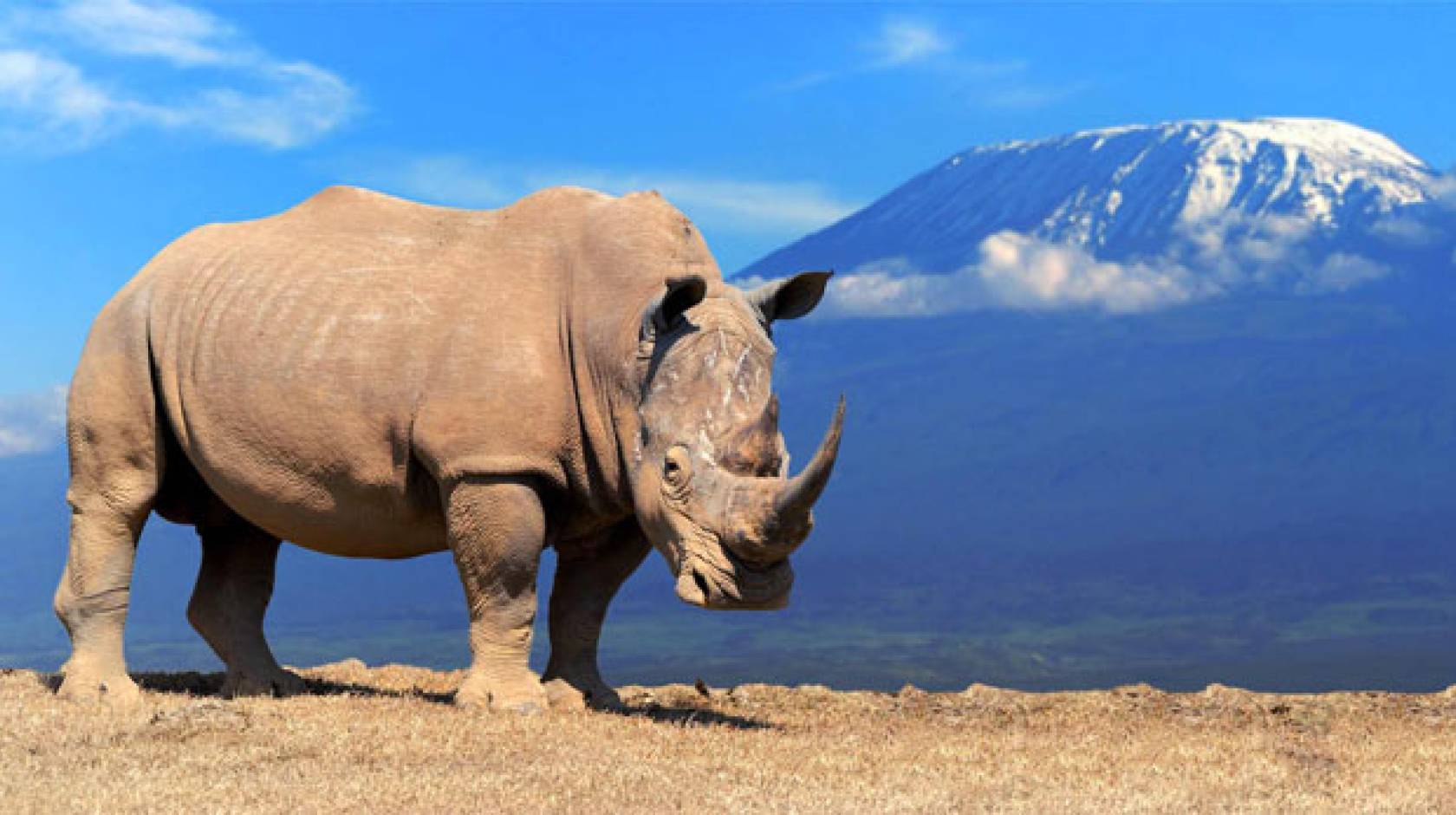
Nairobi, Kenya, Dec 25: Kenya is embarking on a groundbreaking initiative to use in vitro fertilization (IVF) to save the northern white rhino, a species on the brink of extinction. With only two remaining female northern white rhinos in the world, both residing in Kenya, the country is partnering with international experts to explore cutting-edge reproductive technologies.
The two females, aged 34 and 24, are the last known survivors of their species, once native to central and eastern Africa. Kenya’s efforts, spearheaded by the Kenya Wildlife Service (KWS), aim to use assisted reproductive technologies (ART) to create viable embryos, offering hope for the revival of the northern white rhino population.
In collaboration with the BioRescue Consortium, which specializes in advanced reproductive and stem cell technologies, Kenya will employ IVF and stem cell-assisted techniques developed in Europe. The health of the two remaining rhinos will be closely monitored to ensure they can undergo the IVF process, marking a critical step in the effort to prevent their extinction.
Isaac Lekolool, Head of Veterinary and Capture Services at KWS, emphasized the global significance of the project. “If we eventually get northern white rhinos being born from these techniques, it will go a long way in showing us that we can save different species in the wild, not only in Kenya but globally,” he said.
The advanced ages of the rhinos have added urgency to the conservation mission, as rhinos can live up to 40 years in the wild. “Time is running out to prevent their extinction,” Lekolool warned.
If successful, the initiative could set a precedent for using reproductive technologies to save other endangered species. Kenya’s efforts represent a bold move in the fight against biodiversity loss, showcasing the potential of science to reverse the damage caused by decades of habitat destruction and poaching.
The northern white rhino population once roamed across several African countries but has dwindled dramatically due to poaching and loss of habitat. With only two remaining females, this IVF initiative may be the final opportunity to save the species from extinction.
The global conservation community is closely watching the progress of Kenya’s efforts, which, if successful, could offer new hope for the survival of other critically endangered species worldwide.