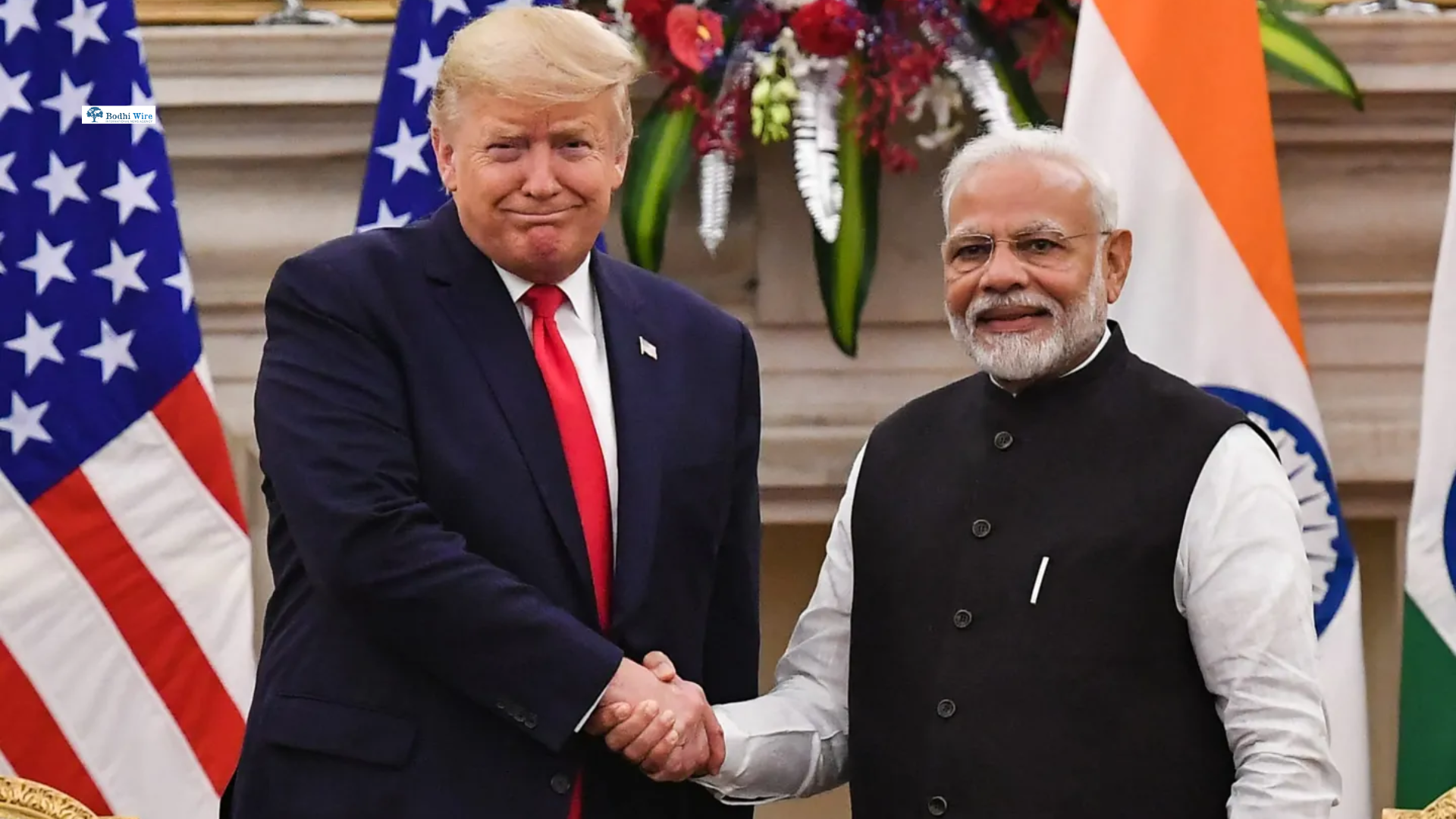
Washington /New Delhi, April 29 – Former U.S. President Donald Trump said on Tuesday that tariff talks with India were “going great” and expressed optimism that a trade agreement between the two countries would be reached soon.
Speaking to reporters outside the White House ahead of a campaign rally in Michigan, Trump confirmed that discussions with New Delhi were progressing during a self-imposed 90-day pause on proposed tariffs aimed at finalizing trade agreements with key global partners.
“I think we’re going to have a deal very soon,” Trump said, referring to the ongoing negotiations with India.
Trump had earlier proposed a 26% reciprocal tariff on Indian imports but paused the measure to allow for dialogue. The move followed a broader strategy to renegotiate trade terms with multiple countries.
U.S. Commerce Secretary Howard Lutnick said in a televised interview on Tuesday that a trade agreement with India had been completed from the U.S. side and was now awaiting approval from India’s political leadership.
“I have a deal done, but I need to wait for their prime minister and their parliament to give its approval,” Lutnick told CNBC.
Treasury Secretary Scott Bessent also indicated India was among the frontrunners to conclude a deal, though he did not elaborate on the timeline.
Trade discussions gained momentum after Indian Prime Minister Narendra Modi visited the United States in February. During the visit, both sides committed to launching the first phase of a comprehensive trade pact by the end of the year and set a target to expand bilateral trade to $500 billion by 2030.
While India has reportedly offered concessions in areas such as energy and defense, Indian Commerce Minister Piyush Goyal has insisted that the government will not accept any agreement that compromises national interests.
“India will not be pressured into any deal. Our priority is to safeguard the interests of our citizens,” Goyal said during a recent press briefing.
The trade talks come amid broader shifts in global economic alignments and growing strategic cooperation between the two democracies. If finalized, the deal would mark a significant step toward resolving long-standing tariff disputes and strengthening bilateral economic ties.