
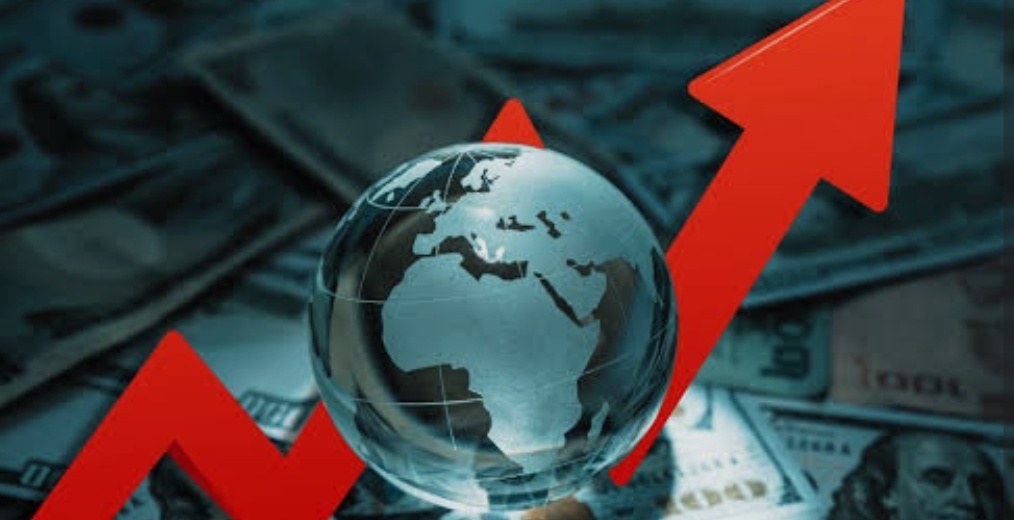
New Delhi, Mar 12: Global wealth inequality is widening as the fortunes of the world’s richest individuals grow at a much faster pace than the savings of the poorer half of the global population, according to recent analyses of wealth trends.
Earlier this year, billionaire entrepreneur Elon Musk briefly saw his net worth cross the USD 800 billion mark, setting a new milestone for the richest individual in modern history. At the same time, the combined wealth of the 12 richest Americans has risen to more than USD 2 trillion, a fourfold increase compared to 2020.
Economists say the rapid accumulation of wealth at the top reflects broader global patterns in which the assets of the ultra-rich are expanding several times faster than the financial resources of the lower half of the world’s population.
Unlike earlier eras when wealth was largely tied to ownership of land, natural resources or industrial production, much of today’s extreme wealth is linked to the valuation of technology companies, intellectual property and expectations of future business growth in the digital economy.
Observers note that this shift has created new forms of capital concentration that are harder for traditional economic regulations to address.Historical comparisons often highlight the scale of modern fortunes.
One frequently cited example is Mansa Musa, the 14th-century ruler of the Mali Empire, widely regarded as one of the richest individuals in history.
Accounts of his pilgrimage to Mecca in 1324 describe a vast entourage and large quantities of gold distributed along the journey, which reportedly triggered inflation in some cities he passed through.Despite growing global wealth, poverty levels remain persistent in many regions.
According to the World Bank, around 44 per cent of the global population has lived on less than USD 6.85 per day — the poverty threshold for middle-income countries — since the 1990s.
Analysts say the widening wealth gap has implications beyond economics, influencing financial stability, social cohesion and public trust in democratic institutions.
They note that extremely wealthy individuals and corporations increasingly wield significant influence over economic policies, media ownership and political processes, raising concerns about the long-term impact of concentrated wealth on governance and inequality worldwide.
