

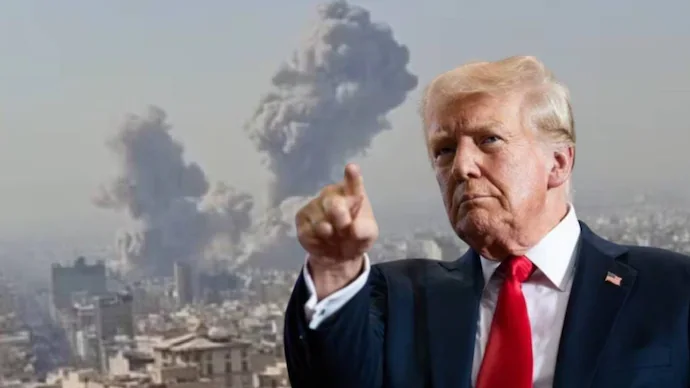
Washington, 6 March: Donald Trump has downplayed concerns over rising fuel prices triggered by the escalating conflict with Iran, saying the ongoing US military operation takes precedence over short-term economic pressures.
In an interview with Reuters, Trump said he was not worried about the recent increase in gasoline prices in the United States, arguing that energy markets would stabilise once the military campaign concludes.
“I don’t have any concern about it,” Trump said when asked about rising fuel costs. “They’ll drop very rapidly when this is over, and if they rise, they rise, but this is far more important than having gasoline prices go up a little bit.”
Global crude prices have climbed roughly 16 percent since hostilities intensified, driven by fears that the conflict could disrupt oil supplies from the Middle East. In the United States, the national average gasoline price has risen by about 27 cents over the past week to around $3.25 per gallon, according to fuel-tracking data.
Despite the increase, Trump insisted the rise was limited, saying “the costs haven’t risen very much.”
The White House is reportedly betting the conflict will remain short and that energy markets will settle once the military campaign winds down. However, officials are quietly assessing potential steps to contain price pressures if the situation worsens.
Possible measures under discussion include a temporary federal gasoline tax holiday, easing seasonal fuel regulations to allow higher ethanol blends, and providing risk insurance for oil tankers operating near the Gulf.
Trump also ruled out releasing oil from the US Strategic Petroleum Reserve for now, signalling confidence that global supply routes will remain operational. Referring to the crucial shipping route near Iran, he said the Strait of Hormuz would stay open, claiming Iran’s naval capability had been severely weakened.
Inside the administration, some officials have expressed concern about the political consequences of rising energy prices. White House Chief of Staff Susie Wiles reportedly warned that failing to curb the surge could be “catastrophic” for Republicans ahead of the US midterm elections.
Energy industry executives say the administration has limited tools to quickly reduce prices, noting that most policy options would have only a modest effect unless regional shipping through the Strait of Hormuz remains stable.
