

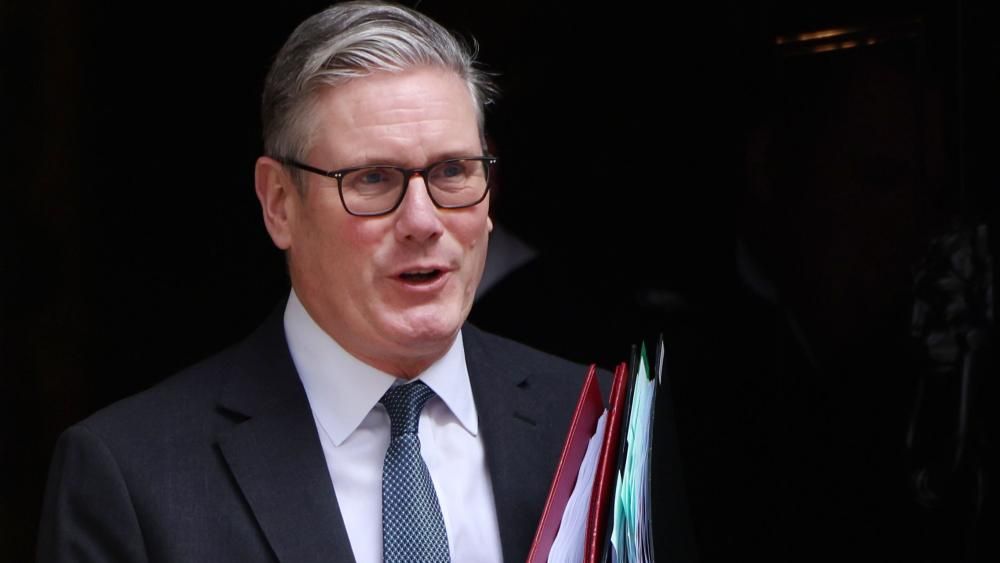
London, 12 March: British Prime Minister Keir Starmer said the government will keep a planned fuel duty increase under review as tensions in the Middle East continue to create uncertainty in global energy markets.
The UK currently has a 5-pence-per-litre fuel duty cut on petrol and diesel that was introduced after Russia’s full-scale invasion of Ukraine pushed global energy prices higher. The temporary reduction is scheduled to begin phasing out from September over a six-month period.
Speaking during Prime Minister’s Questions, Starmer told lawmakers that the duty would remain frozen until September but stressed that the government would monitor developments closely.
“We will keep the situation under review in light of what’s happening in Iran,” the prime minister said, referring to the escalating tensions following military strikes by United States and Israel on targets in Iran, which have heightened concerns about oil supply disruptions and price volatility.
Opposition Pressure
The issue sparked sharp exchanges in Parliament as Kemi Badenoch, leader of the opposition Conservative Party, urged the government to abandon the planned increase altogether.
Badenoch argued that higher fuel taxes would worsen the cost-of-living pressures on households and accused the governing Labour Party of treating motorists as a source of revenue.
She predicted the government might eventually reverse course, saying it should “scrap the fuel duty hike now” rather than force lawmakers to defend the measure before a possible policy reversal.
Starmer pushed back against the criticism, defending the government’s approach and emphasizing diplomatic efforts to ease tensions in the Middle East as the most effective way to stabilize energy markets.
Treasury Caution on Market Volatility
Finance Minister Rachel Reeves also warned that the outlook for fuel prices remains uncertain. Speaking to lawmakers, Reeves said oil markets are “very volatile” and it is too early to predict where petrol prices will stand by September.
She suggested the government is reluctant to commit public funds to interventions that could be addressed by market adjustments.
Wider Energy Concerns
Meanwhile, Ed Davey asked the government to ensure that household energy bills would not surge sharply in the coming months.
Starmer acknowledged public concern over rising costs and said the government is working with industry partners and international allies to prevent major increases. The UK’s energy price cap is currently in place until the end of June, after which the next review will determine the level of household bills from July.
Officials say the government will continue monitoring both the geopolitical situation and global energy markets before making a final decision on fuel duty policy later in the year.
