

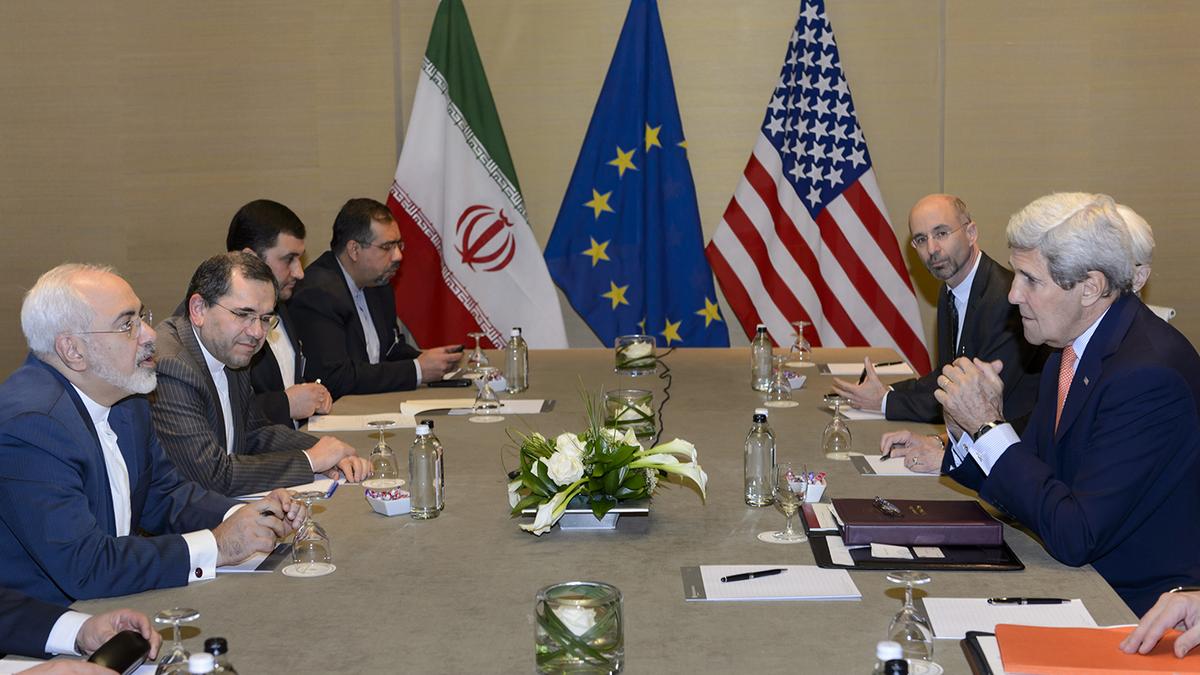
Tehran, June 4 : Iran is preparing to formally reject a U.S. proposal aimed at resolving a long-running nuclear dispute, calling the offer a “non-starter” that fails to meet Tehran’s demands or ease American pressure on uranium enrichment, a senior Iranian diplomat said on Monday.
The proposal, presented by Omani Foreign Minister Sayyid Badr Albusaidi during a brief visit to Tehran on Saturday, marks the latest U.S. attempt to revive negotiations that collapsed following former President Donald Trump’s withdrawal from the 2015 nuclear accord.
“Iran is drafting a negative response to the U.S. proposal, which could be interpreted as a rejection,” said the diplomat, who spoke on condition of anonymity. “The U.S. stance on enrichment on Iranian soil remains unchanged, and there is no clear explanation regarding the lifting of sanctions.”
The proposal comes after five rounds of indirect talks between Iranian Foreign Minister Abbas Araqchi and Trump’s Middle East envoy Steve Witkoff. Key sticking points remain, including Iran’s refusal to abandon uranium enrichment and its rejection of demands to export its stockpile of highly enriched uranium.
Iran, which insists its nuclear program is solely for peaceful purposes, has long denied Western accusations that it seeks to develop nuclear weapons. Tehran is seeking immediate sanctions relief and guarantees that Washington will not renege on future agreements.
The U.S. has proposed a phased lifting of sanctions, while keeping several key Iranian institutions—including its central bank and national oil company—on a blacklist citing support for terrorism and nuclear proliferation.
Trump, who returned to the White House in January, has reinstated a “maximum pressure” campaign against Iran, tightening sanctions and warning of possible military action if talks fail. His administration wants to limit Iran’s nuclear capabilities and prevent a potential arms race in the region.
Iran’s nuclear negotiations committee, under Supreme Leader Ayatollah Ali Khamenei, has concluded that the U.S. proposal is “completely one-sided” and imposes excessive demands, the diplomat said. Iran has floated the idea of halting uranium enrichment in exchange for the release of frozen funds and recognition of its right to refine uranium for civilian use. However, there has been no indication of progress toward a broader deal.
Israel, which views Iran’s nuclear ambitions as an existential threat, has repeatedly threatened military action. Araqchi, in a joint press conference in Cairo with his Egyptian counterpart, downplayed the risk. “I do not think Israel will commit such a mistake as to attack Iran,” he said.
Iran’s regional standing has also suffered amid setbacks for its allies, including Hezbollah, Hamas, the Houthis in Yemen, and Iraqi militias. Saudi Arabia, once a staunch adversary, has reportedly urged Tehran to consider the U.S. offer to avert further escalation.
Under the now-defunct 2015 nuclear deal, Iran had agreed to curb sensitive nuclear activity in exchange for relief from international sanctions. That deal unraveled after the U.S. withdrawal in 2018, prompting Iran to exceed enrichment limits and expand its nuclear capabilities.
Araqchi said Tehran would issue a formal response to the U.S. proposal “soon,” as diplomacy remains at a critical juncture. The U.S. State Department declined to comment.