

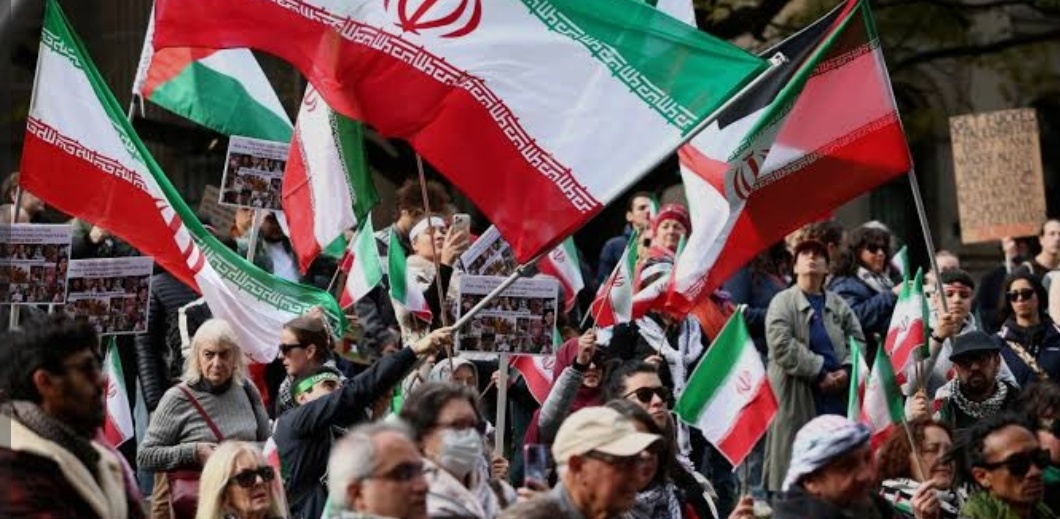
US, Mar 24: The ongoing conflict involving the United States and Israel with Iran is not only triggering humanitarian concerns in West Asia but also widening global inequality through its economic and social spillover effects, experts have warned.
The hostilities, which have impacted regions including Iran and Lebanon, are contributing to rising energy prices, supply disruptions and economic stress, disproportionately affecting vulnerable populations across the world.
One major concern is the growing use of fuel subsidies by governments to shield citizens from rising oil and gas prices. While such measures provide short-term relief, analysts say they tend to benefit wealthier households more, as they consume higher levels of energy.
The International Energy Agency has advocated for targeted support mechanisms instead of universal subsidies, warning that blanket measures may worsen inequality both within and between countries.
Experts also point out that increased subsidies in developed nations may intensify global competition for limited fuel supplies, potentially leading to shortages in developing economies.
“Higher consumption in advanced economies reduces the for demand correction, increasing the risk of scarcity in less-developed regions,” analysts noted.
The impact is also being felt in climate-sensitive regions. As temperatures rise globally, access to cooling remains uneven. While some countries such as Bangladesh and Thailand are promoting limits on air conditioner usage to conserve energy, millions of people in poorer regions still lack access to basic cooling infrastructure.
This disparity highlights broader inequalities in living conditions, where better housing and urban planning can shield wealthier populations from extreme heat, while vulnerable groups face heightened risks.
Humanitarian agencies have also flagged concerns over disruptions to food and medicine supplies. The International Rescue Committee has described the situation as a “triple emergency” involving humanitarian distress, economic shocks and strained aid systems.
“It is the most vulnerable populations who are likely to bear the greatest burden,” aid groups have cautioned, pointing to rising costs and reduced availability of essential goods.
Experts say the evolving crisis underscores the interconnected nature of geopolitical conflicts and global inequality, with ripple effects extending far beyond the immediate conflict zones.
They have called for coordinated international responses, targeted welfare measures and sustained humanitarian support to mitigate the widening gap between rich and poor nations.
