

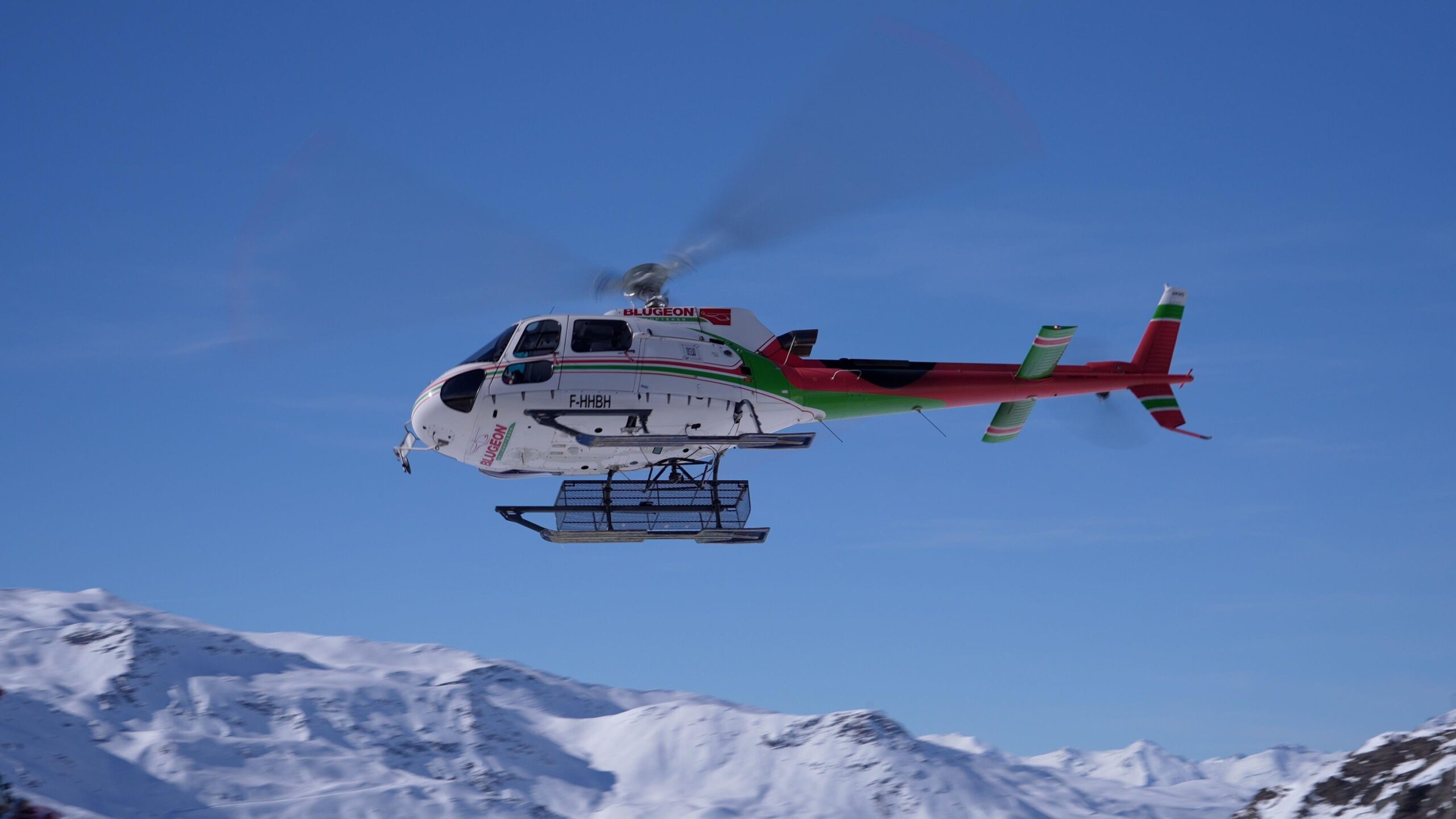
France, 14 March: More than 100 people have died in avalanches across the European Alps this winter, rescuers say, marking the deadliest season in about eight years and raising concerns over changing snow patterns and skier behaviour.
According to the European Avalanche Warning Services, fatalities across Alpine resorts have climbed sharply this season as unstable snow conditions combine with a growing number of skiers venturing off marked slopes.
Mountain patrol teams say the dangers are particularly high beyond controlled ski runs, known as off-piste terrain, where snow stability cannot be managed.
Veteran mountain patroller Frédéric Bonnevie said changing weather patterns appear to be affecting snowfall in the region.
“As with all around the world, the climate is changing,” Bonnevie said, pointing to shorter winters and powder snow increasingly found at higher altitudes.
He added that heavy snowfall following dry periods can leave unstable layers beneath the surface.
“When we had a lot of snow in January, there was a high avalanche risk,” he explained.
Safety experts also blame a lack of preparation among some visitors.
Stéphane Bornet, director of the ANENA – National Association for the Study of Snow and Avalanches, said many victims were experienced skiers but unfamiliar with mountain hazards.
“A lot of the victims are technically skilled skiers who are not necessarily connoisseurs of the mountain environment,” Bornet said.
He noted that several victims lacked basic safety gear such as avalanche transceivers and shovels or had not studied the routes they planned to ski.
Rescue services say survival chances depend heavily on how quickly a buried skier is located. Carrying a transceiver increases the likelihood of survival to around 70%, while the rate drops to about 20% without one. The first 16 minutes after burial are considered critical.
Bornet warned that even a modest snow layer can become deadly.
“If you are trapped under just 50 centimetres of dense snow, more than a quarter of a tonne can press down on you,” he said.
Rescuers say they frequently arrive too late.
Pierre Boulonnais, a ski patroller in Val Thorens, said avalanches can strike unpredictably despite precautions.
“Most of the time when we’re coming, it can be too late,” he said. “You need the right rescue equipment and you should be skiing in a group.”
Several recent incidents highlight the risks. Two skiers were found dead beneath avalanche debris in La Chapelle d’Abondance, while dozens of residents were airlifted from a snowbound village in Isère. In Switzerland, an avalanche struck a train, causing a derailment but no fatalities.
Another slide in St Anton killed three people and filled the valley with a massive cloud of snow.
Witness Diego Gonçalo described the moment rescue teams arrived.
“Everybody was amazed by the sight. There was no sound at first, and then the helicopters and emergency teams arrived,” he said.
Authorities classify avalanche danger on a five-point scale from low to extreme. Rescue teams say many fatal accidents occur at level three, when conditions are dangerous but some skiers underestimate the risk.
Experienced instructors also point to changing attitudes among visitors, with some heading off-piste immediately after fresh snowfall rather than waiting for the snowpack to stabilise.
Bonnevie believes the desire to maximise short ski holidays is driving riskier decisions.
“The new generation want to be the best, the biggest and the quickest,” he said.
Despite the rising fatalities, experts emphasise that the mountains remain a place for adventure—provided visitors respect the risks.
Bornet said skiers should remember that preparation and caution can mean the difference between tragedy and a safe day in the mountains.
“The mountains are a magnificent playground,” he said. “Let’s make sure your memories are positive ones.”
