

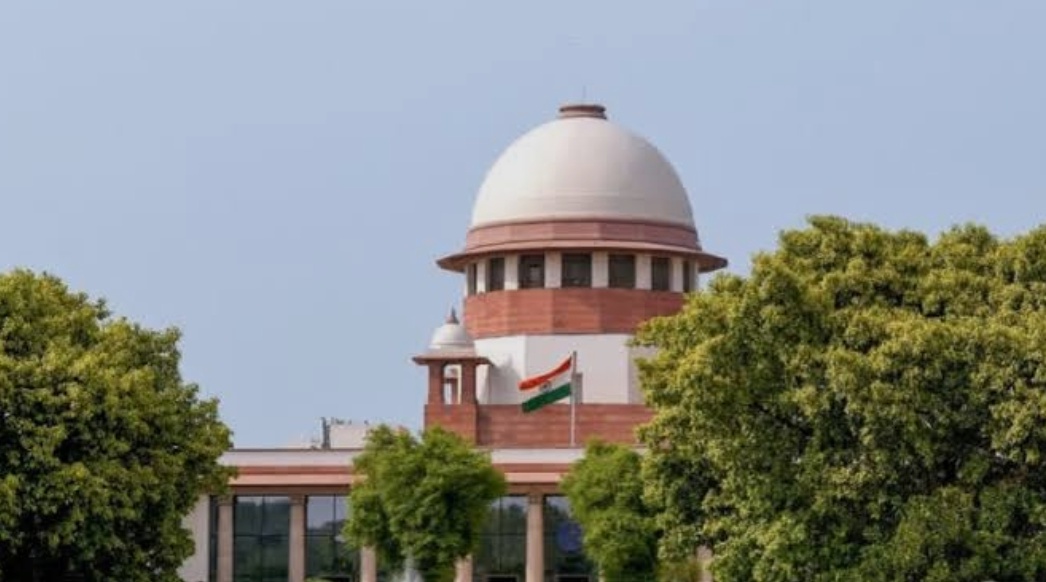
Ranchi, September 4: The appointment of Tadasha Mishra as Jharkhand’s Director General of Police (DGP) has come under scrutiny before the Supreme Court, with an amicus curiae questioning whether the appointment complied with the court’s earlier guidelines on the selection of police chiefs.
Mishra, a 1994-batch IPS officer of the Jharkhand cadre, was appointed DGP by the state government on December 30, 2025, a day before her scheduled retirement.
Senior advocate Raju Ramchandran, who is assisting the Supreme Court as amicus curiae in cases concerning DGP appointments, has submitted that the appointment was inconsistent with principles laid down in the court’s earlier Prakash Singh judgments.
According to the submission, an officer being considered for appointment as DGP should have at least six months of service remaining. The requirement is aimed at ensuring stability and allowing the police chief sufficient time to perform the responsibilities of the post.
The matter is being considered by a bench headed by Chief Justice of India Surya Kant and comprising Justice Joymalya Bagchi.The proceedings relate to a petition filed by former Jharkhand Chief Minister Babulal Marandi, who has challenged amendments made by the state to its rules governing the appointment of the DGP.
The Supreme Court’s Prakash Singh judgments had laid down guidelines for police reforms, including a procedure for selecting the state police chief from among eligible senior officers empanelled by the Union Public Service Commission.
The guidelines also provide for a minimum two-year tenure for a DGP after appointment, irrespective of the officer’s date of superannuation.
In his submission, Ramchandran said some provisions of Jharkhand’s 2025 DGP appointment rules may require greater clarity and safeguards to prevent arbitrary decision-making and political interference.
However, he did not suggest that every provision of the rules was contrary to the Supreme Court’s directions.The Supreme Court will consider the legal issues surrounding the appointment process and the state’s amended rules before arriving at its decision.
The case could have wider implications for how states frame and implement rules concerning the appointment and tenure of their police chiefs.
