

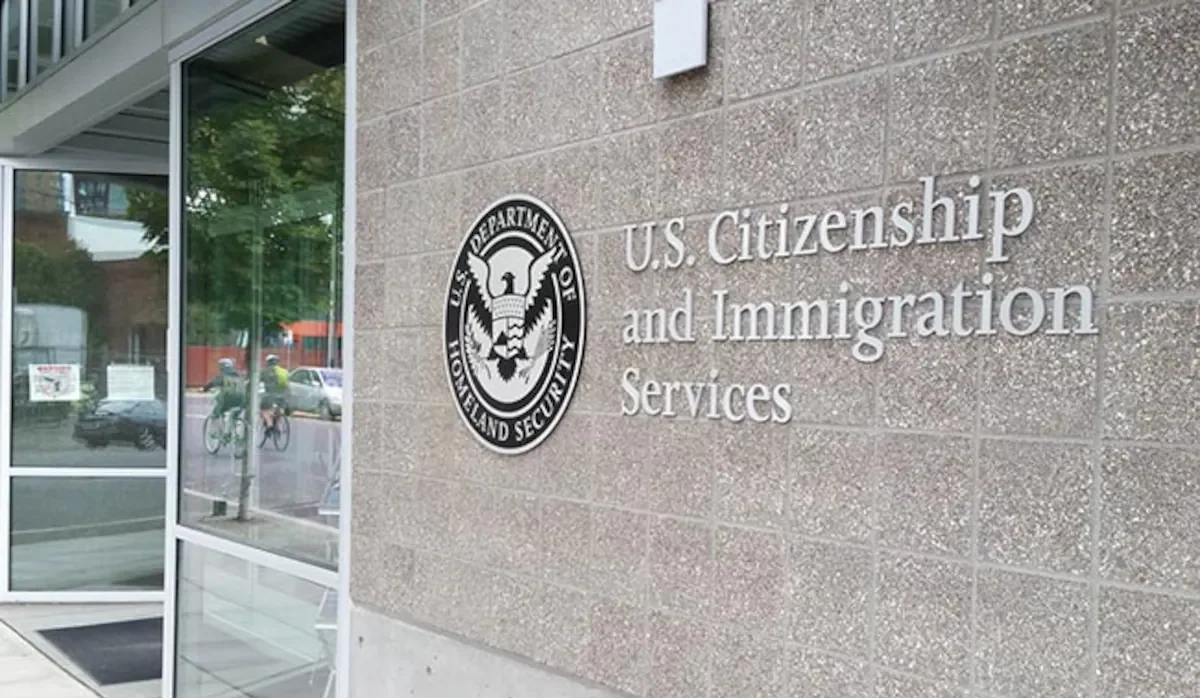
Washington, Oct 23: The United States has further relaxed its recently introduced rule imposing a $100,000 fee on H-1B visas, clarifying that the charge will not apply to visa holders seeking a change of status or an extension of stay within the country, the U.S. Citizenship and Immigration Services (USCIS) said on Monday.
The clarification follows a proclamation signed by President Donald Trump on September 19, introducing the new fee on H-1B visa applications. The administration had said at the time that the fee would apply only to new visa petitions and would be a one-time payment.
In its updated guidelines, the USCIS reiterated that the proclamation “does not apply to any previously issued and currently valid H-1B visas, or to petitions submitted before 12:01 a.m. eastern daylight time on September 21, 2025.” The fee also does not apply to petitions seeking amendments, changes of status, or extensions of stay for individuals already in the United States, the agency said.
The USCIS further clarified that the proclamation does not restrict travel for existing H-1B visa holders, who can continue to move in and out of the country.
The U.S. Chamber of Commerce last week filed a lawsuit challenging the $100,000 fee, arguing that it overrides provisions of the Immigration and Nationality Act that govern the H-1B program.
The H-1B visa, which allows U.S. companies to hire highly skilled foreign workers, particularly in the technology sector, is widely used by Indian professionals, who account for about 70% of all H-1B holders. According to FWD.us, a U.S.-based immigration advocacy group co-founded by Meta CEO Mark Zuckerberg, there were about 730,000 H-1B holders in the country as of January 2025.
As per U.S. government data, Amazon received 10,044 H-1B approvals in the first half of 2025, followed by Tata Consultancy Services (5,505), Infosys (2,004), Wipro (1,523) and Tech Mahindra Americas (951). The latest relaxation seeks to allay uncertainty among visa holders and employers, particularly Indian IT companies, which rely heavily on the H-1B program to support their U.S. operations.
