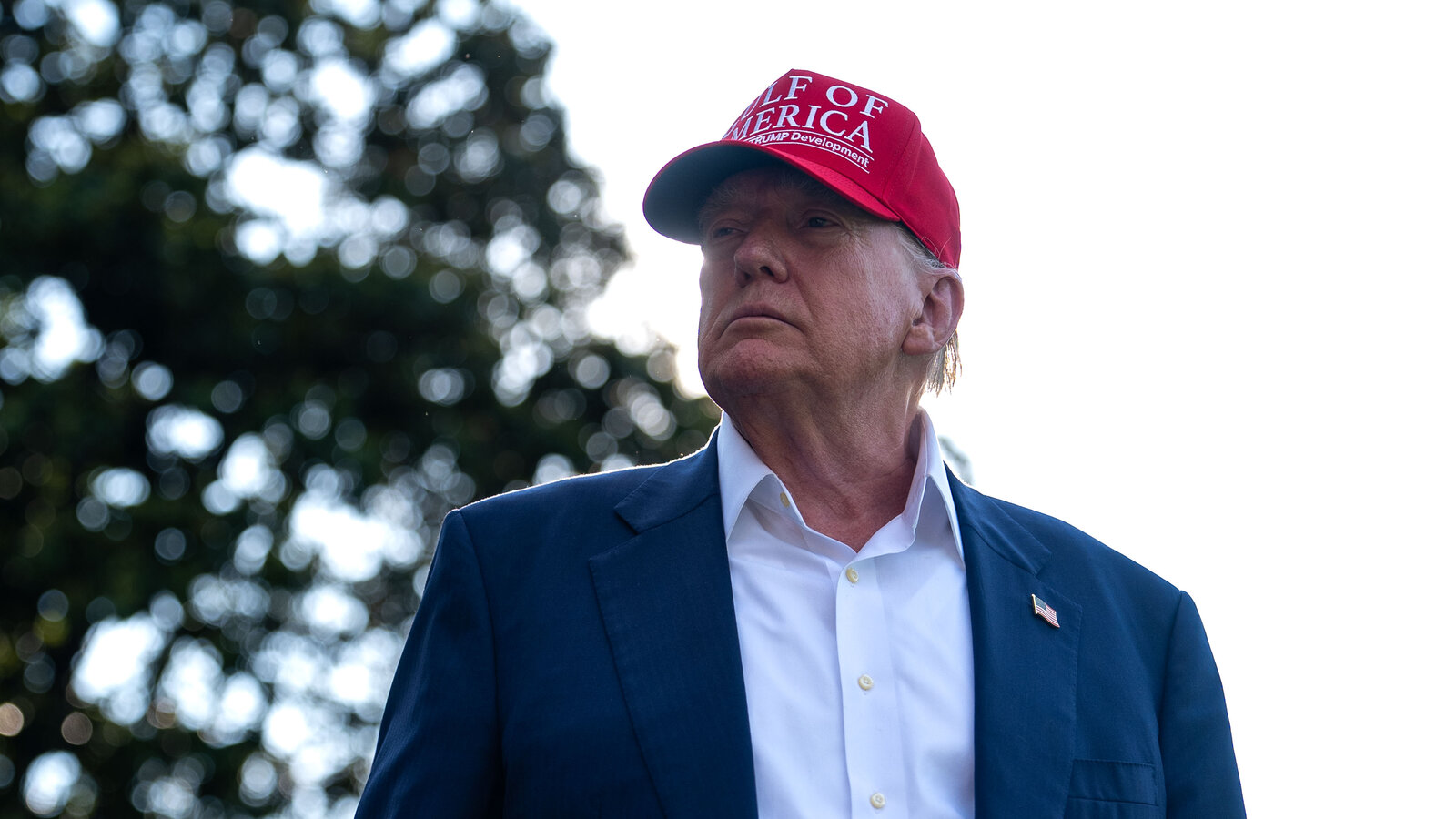
Washington, July 9: The U.S. Supreme Court on Tuesday cleared the path for President Donald Trump to move ahead with plans to carry out sweeping layoffs across the federal workforce, lifting a lower court’s block that had paused the effort over concerns about executive overreach.
In an unsigned order, the justices said the government is likely to prevail in its argument that Trump’s executive actions are lawful. The decision allows federal agencies to proceed with preparations to dismiss tens of thousands of workers as part of a broader push to downsize the government.
The layoffs stem from a February 11 executive order issued by Trump, who returned to the White House in January. The order, part of a restructuring initiative led by the Elon Musk-headed Department of Government Efficiency (DOGE), called for a “critical transformation of the Federal bureaucracy” and instructed agencies to identify and retain only “essential” personnel.
The order faced immediate legal challenges from a coalition of labor unions and advocacy groups who argued the administration had exceeded its authority by bypassing congressional approval. In May, U.S. District Judge Susan Illston temporarily halted the layoffs, ruling that such sweeping changes required a green light from Congress.
While the Supreme Court removed that block, it did not rule on the legality of specific agency restructuring plans. Those matters, the justices said, remain subject to ongoing litigation.
“The plans themselves are not before this Court, at this stage, and we thus have no occasion to consider whether they can and will be carried out consistent with the constraints of law,” wrote Justice Sonia Sotomayor, who joined the majority but stressed the limits of the ruling.
Justice Ketanji Brown Jackson, the court’s sole dissenter, sharply criticized the decision, warning that it effectively handed Trump a “wrecking ball” to use against the federal government’s structure without proper oversight.
“Under our Constitution, Congress has the power to establish administrative agencies and detail their functions,” Jackson wrote. “Presidents who have attempted to reorganize the federal government have historically obtained authorization from Congress.”
Since returning to office, Trump has moved swiftly to scale back the federal bureaucracy, targeting diversity programs, slashing agency budgets, and calling for the elimination of the U.S. Agency for International Development (USAID), among other departments.
The administration argues that the cuts are necessary to improve efficiency and reduce government spending. Critics warn the moves could undermine critical services and set a dangerous precedent for executive power.