

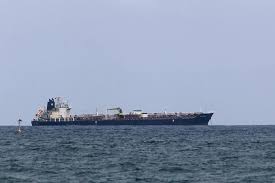
Washington, Mar 30: A Russian oil tanker carrying a major crude shipment has reached Cuban waters, offering temporary relief to the island’s deepening energy crisis and signaling a possible shift in U.S. policy under Donald Trump.
The vessel, Anatoly Kolodkin, is transporting roughly 100,000 tonnes — or about 730,000 barrels — of crude oil, marking the first such delivery to Cuba in nearly three months. The shipment is expected to be unloaded at the Matanzas energy terminal, a key hub for the country’s strained fuel distribution network.
The development comes just hours after Trump indicated that Washington would not oppose oil deliveries to Cuba, saying the country “has to survive,” in remarks that appeared to soften a months-long U.S. effort to restrict fuel supplies to the communist-run island.
Cuba has been grappling with a severe energy shortage since January, when U.S. measures effectively cut off oil flows from key suppliers, including Venezuela. The resulting fuel crunch has triggered widespread blackouts, disrupted transport systems, and placed hospitals under severe strain, with health services struggling to maintain critical care operations.
Officials and analysts say the incoming Russian shipment could only provide short-term relief — potentially covering fuel demand for just over a week — but may help stabilize essential services amid growing public hardship.
Moscow defended the move as humanitarian assistance, with Kremlin spokesman Dmitry Peskov stating that Russia had a responsibility to support its long-time ally and had discussed the shipment in advance with U.S. counterparts.
The apparent easing of restrictions contrasts with Washington’s earlier hardline stance. Since January, the U.S. had imposed a de facto oil blockade on Cuba, warning of tariffs against countries supplying fuel to the island and pressuring partners such as Mexico to halt shipments.
Despite the latest concession, Trump maintained a sharply critical tone toward Havana’s leadership, reiterating that the Cuban government remained “corrupt” and suggesting the oil delivery would not alter the country’s long-term trajectory.
The situation underscores Cuba’s fragile economic position and its continued reliance on external partners, as well as the broader geopolitical contest involving the United States and Russia in the region — a dynamic that has shaped the island’s fortunes for decades.
While the tanker’s arrival may ease immediate shortages, uncertainty remains over whether Washington’s apparent policy shift represents a lasting change or a temporary humanitarian exception.
