Los Angeles, June 14; Tensions in the United States escalated further this week after Democratic Senator Alex Padilla was forcibly removed and handcuffed during a Homeland Security news conference in Los Angeles, triggering widespread political condemnation and raising fresh concerns over the Trump administration’s handling of dissent and immigration policy.
Padilla, California’s first Latino senator, was seen on live television being restrained by federal security agents and pushed to the ground while attempting to ask a question during an event led by Homeland Security Secretary Kristi Noem. The senator was not arrested or charged, but said he was “peacefully present” when the incident occurred.
“I was there peacefully,” Padilla told reporters. “At one point I had a question, and so I began to ask it. I was almost immediately forcibly removed from the room. I was not detained, but I was handcuffed.”
Secretary Noem initially said security personnel mistook Padilla for a potential threat, citing heightened tensions following last year’s assassination attempt on President Donald Trump. But in a subsequent appearance on Fox News, Noem hardened her position, alleging Padilla had “lunged” toward the podium.
The incident has drawn sharp rebukes from Democratic leaders. “They use words like ‘lunge’ and ‘charge.’ He is not an animal; he’s a U.S. senator,” California Attorney General Rob Bonta said. Former House Speaker Nancy Pelosi called the incident an “assault” and warned it may constitute a federal offense.
“This is America. Dissent should not be met with violence,” said Senator Jack Reed, the top Democrat on the Armed Services Committee. His colleague, Hawaii Senator Brian Schatz, described the scene as “the stuff of dictatorships.”
The confrontation came amid a wider national backlash to the Trump administration’s expanding deportation efforts. The White House this week ordered some 500,000 Venezuelans, Haitians, Cubans, and Nicaraguans—previously allowed to remain under humanitarian parole—to return to their countries of origin.
President Trump has vowed to escalate immigration enforcement during his second term, deploying active-duty Marines to cities like Los Angeles in defiance of state officials. Speaking during the same press event, Noem declared federal forces would “liberate” Los Angeles from what she called the “socialist and burdensome leadership” of Democratic Governor Gavin Newsom and Mayor Karen Bass.
The administration’s tone has grown increasingly authoritarian. Trump’s top domestic adviser, Stephen Miller, claimed in a social media post that “violent insurrectionists” and Democratic officials are trying to “overthrow the results of the election.” White House Press Secretary Karoline Leavitt referred to Padilla’s behavior as “childish” and accused Democrats of enabling criminality.
Democrats have struggled to mount a unified response to the president’s policies but appear to be coalescing in the aftermath of the Padilla incident. Some party figures hope the event can serve as a turning point in framing what they describe as Trump’s anti-democratic tendencies.
Still, the political risks remain high. Republicans argue their actions are backed by voters who handed Trump a second term, partly in response to frustration over the Biden administration’s handling of the border. Meanwhile, Democrats remain divided on immigration policy and have yet to present a comprehensive alternative.
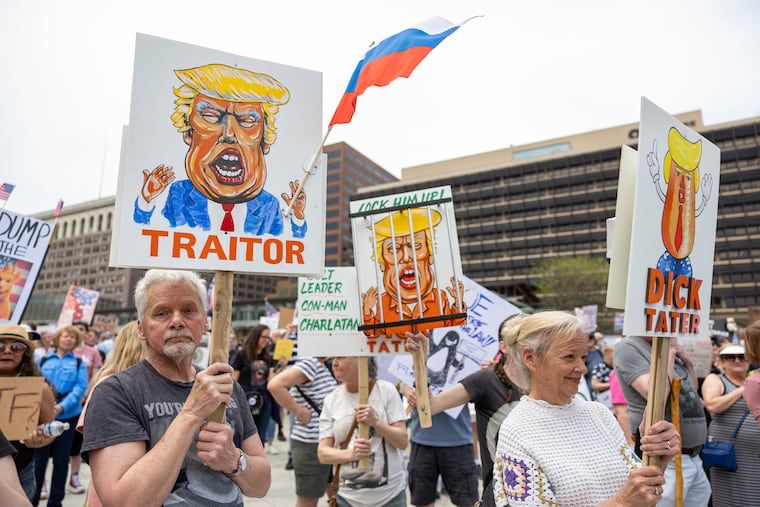
As the country prepares for the weekend’s planned “No Kings” demonstrations across major cities, many fear that political agitation may give way to violence. Critics warn that the Trump administration’s rhetoric and use of federal power against perceived enemies could further strain America’s democratic fabric.
“Historically, presidents have worked to heal national divisions,” said Senator Reed. “What we’re seeing now is the opposite.”