

Washington, Mar 24: A bipartisan group of US senators has introduced a new bill aimed at restricting prediction market platforms such as Kalshi and Polymarket from offering contracts linked to sports events and casino-style games.
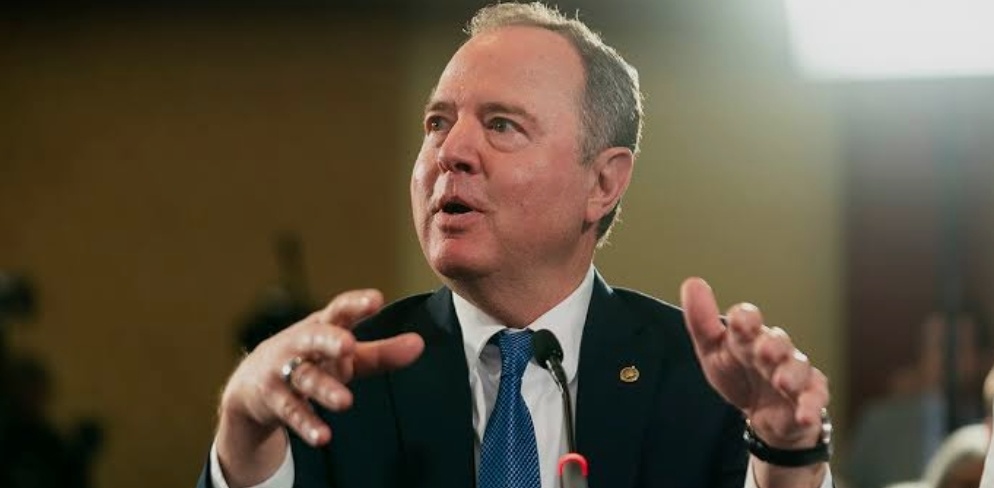
The proposed legislation, titled the Prediction Markets Are Gambling Act, has been co-sponsored by Adam Schiff and John Curtis. It marks the first bipartisan effort in the Senate to address the rapid growth of sports-related trading on prediction market platforms.
The bill seeks to bar entities regulated by the Commodity Futures Trading Commission (CFTC) from offering or facilitating any contracts tied to sporting events or athletic competitions. It also proposes a ban on agreements linked to casino-style games such as poker and blackjack.
Prediction markets allow users to trade contracts based on the outcome of future events, ranging from elections to economic indicators and sports results. Unlike traditional betting, these platforms operate under federal financial regulations, as they structure trades as commodity or futures contracts.
Supporters of the bill argue that such platforms effectively enable sports betting under a different framework, potentially bypassing state-level gambling laws.
In a statement, Schiff said that sports-related prediction contracts are essentially bets presented in another form, and raised concerns over their accessibility across all states.
Curtis emphasised the need to protect young people from exposure to addictive gambling-like activities and to preserve state authority over betting regulations.
The move comes amid a surge in the popularity of prediction markets in the United States. Industry estimates indicate that trading volumes on major sporting events have grown significantly, with billions of dollars in transactions recorded during high-profile events such as the Super Bowl.
Following the bill’s introduction, Kalshi announced plans to tighten its internal policies. The platform said it would restrict political figures from trading on their own campaigns and prevent athletes from placing trades on events they are directly involved in.
The company added that these measures align with ongoing regulatory discussions and recommendations, and had been under consideration prior to the bill’s introduction.
The legislation is expected to trigger broader debate over the regulatory boundaries between financial markets and gambling, particularly as prediction platforms continue to expand their user base and product offerings.
