

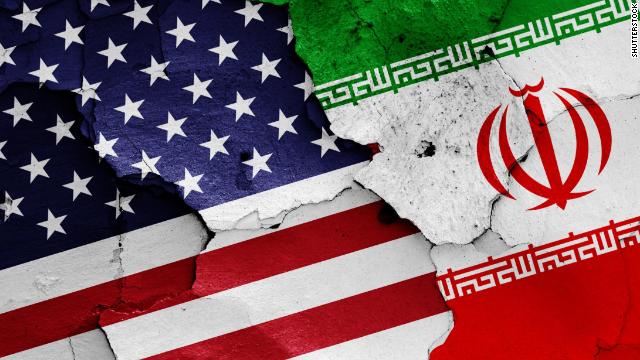
Washington, Mar 26: The United States under Donald Trump is pursuing a high-stakes dual strategy in its ongoing conflict with Iran—simultaneously escalating military pressure while attempting to broker a diplomatic resolution. The approach, however, is raising concerns over coherence and long-term planning within Washington.
In a rapid sequence of moves, the US deployed ground troops to the region even as it advanced a 15-point peace proposal aimed at ending hostilities. The parallel tactics reflect what officials describe as a “pressure-plus-negotiation” model, though critics argue it signals strategic ambiguity rather than calculated leverage.
The situation took a decisive turn when Iran rejected the proposed framework, dampening hopes for immediate diplomatic progress. Speaking publicly, Abbas Araghchi dismissed the notion of ongoing talks, asserting that Tehran would dictate the terms and timing of any potential ceasefire.
Meanwhile, tensions remain acute around the Strait of Hormuz, a critical maritime chokepoint responsible for nearly 20% of global oil shipments. The US has yet to present a clear operational plan to secure the passage, raising alarms among global markets and strategic observers.
Inside the US, divisions are becoming increasingly visible. While figures like Mike Johnson expressed optimism that military operations may conclude soon, others within the Republican Party are pushing back. Nancy Mace openly opposed the deployment of American troops on Iranian soil, highlighting a widening rift between interventionist and non-interventionist factions.
The administration has maintained a firm tone publicly. White House Press Secretary Karoline Leavitt warned that the president is “prepared to unleash hell” if provoked, reinforcing the administration’s hardline posture.
However, former officials and analysts remain skeptical. Jason Campbell criticized the approach as lacking strategic depth, while Stephen Hadley cautioned that failure to secure the Strait of Hormuz could undermine any claims of success.
From Tehran’s perspective, the message is clear: Iran is not negotiating under pressure. A senior Iranian official stated that the country would end the conflict “on its own terms,” underscoring its intent to maintain strategic control.
As the conflict continues, the absence of a clearly defined endgame raises the risk of further escalation. With global economic stability and regional security hanging in the balance, the coming days will be critical in determining whether diplomacy can catch up with military momentum.
