

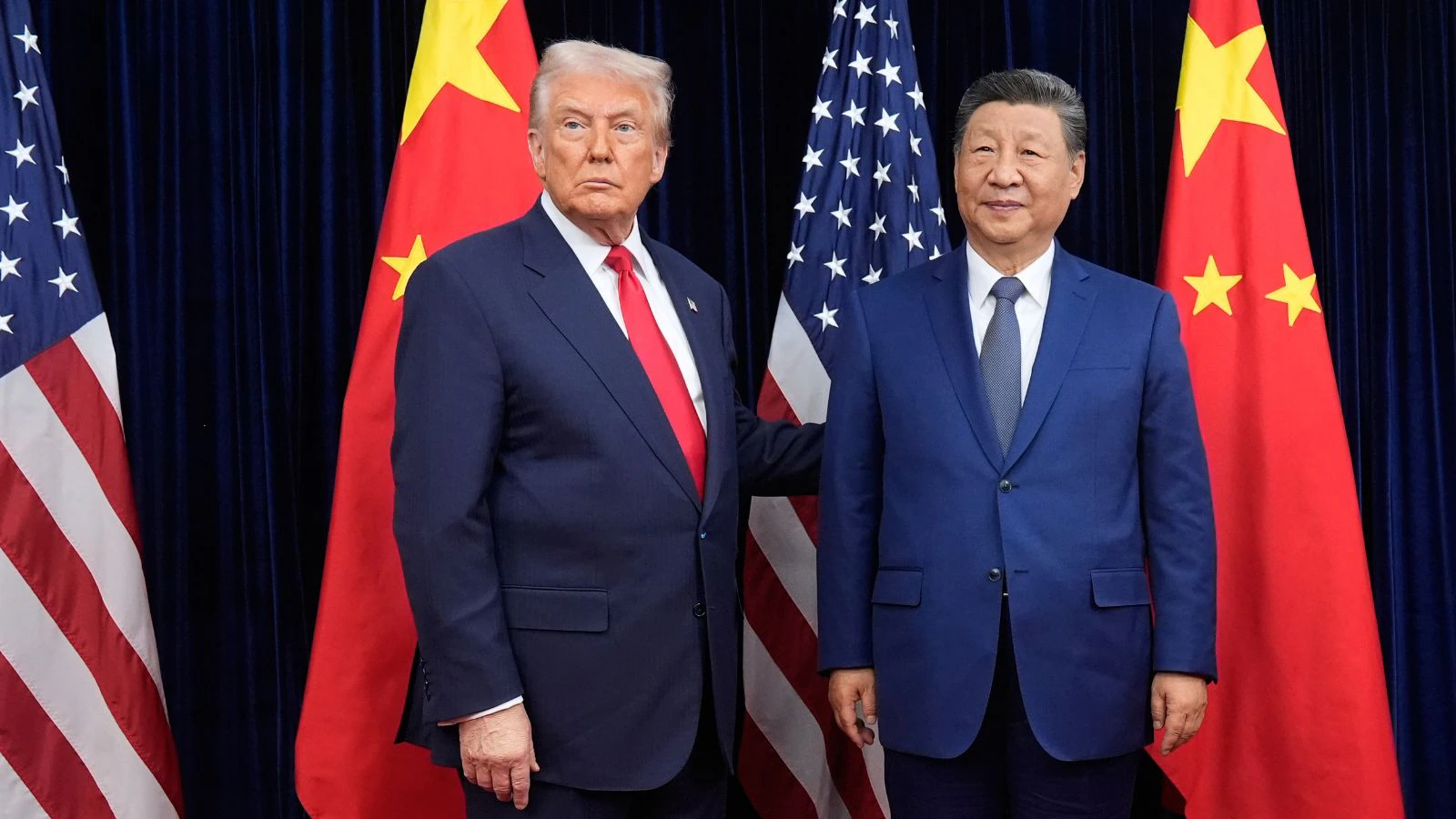
Washington, Mar 26: Donald Trump has confirmed that he will travel to China on 14–15 May for a high-stakes meeting with Xi Jinping, marking the first visit by a sitting US president to Beijing in nearly a decade. The trip, originally planned for late March, was postponed as Washington became deeply engaged in escalating military operations involving Iran.
The delay follows a period of intense conflict in which the United States, alongside Israel, launched coordinated strikes on Iran, triggering a broader regional crisis. Tehran’s retaliation—including disruption of the strategically vital Strait of Hormuz—sent shockwaves through global energy markets, contributing to a fuel supply crunch.
Despite the postponement, both Washington and Beijing have continued diplomatic engagement. China has yet to officially confirm the visit dates, but its foreign ministry has acknowledged ongoing communication between the two sides. Officials in Beijing have emphasized the importance of leader-level diplomacy in stabilizing bilateral ties.
Speaking ahead of the trip, Trump described the upcoming meeting as a “Monumental Event,” signaling expectations of significant diplomatic engagement. The White House indicated that the timing shift was understood by Chinese leadership, citing the necessity for the US president to remain focused on ongoing military operations.
The visit comes at a delicate moment in US–China relations, which have been strained by persistent trade disputes, technological competition, and wider geopolitical rivalry. Analysts suggest the meeting could serve as a critical opportunity to ease tensions and reopen channels for cooperation.
Complicating the diplomatic landscape is China’s economic relationship with Iran, particularly its role as a major importer of Iranian oil. This dynamic has added another layer of complexity to Washington’s expectations of Beijing’s role in addressing the Strait of Hormuz crisis.
Chinese state media has adopted a cautiously optimistic tone ahead of the visit, highlighting the prolonged absence of high-level exchanges and underscoring mutual benefits of cooperation over confrontation.
The May meeting is expected to be closely watched by global observers as a potential turning point in one of the world’s most consequential bilateral relationships.
