

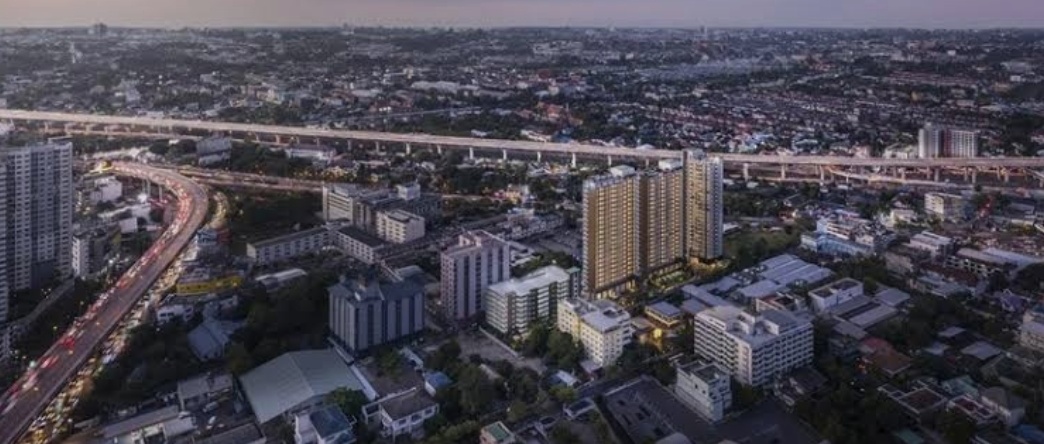
Bangkok, Mar 7: Rapid urbanisation across the Asia-Pacific region is deepening inequality despite creating new economic opportunities, with nearly 700 million people currently living in slums or informal settlements, according to a new regional report.
The Asia-Pacific SDG Partnership Report 2026 said the region is undergoing significant economic and social transformation driven by urban growth. The Asia-Pacific is now home to more than half of the world’s urban population, exceeding 2.2 billion people, and the number is projected to increase by another 1.2 billion by 2050. While urban expansion has helped boost economic activity and development prospects, the report said the benefits have not been shared evenly, leaving large sections of the population facing persistent social and economic disadvantages.
The study was jointly produced by the United Nations Economic and Social Commission for Asia and the Pacific (ESCAP), the Asian Development Bank (ADB) and the United Nations Development Programme (UNDP) under the Asia-Pacific SDG Partnership framework. It examines the challenges cities face in achieving the Sustainable Development Goals and outlines policy pathways to make urban development more inclusive, safe and environmentally sustainable.
The report identifies three key dimensions of inequality shaping urban life across the region — housing and access to services, informal employment, and environmental conditions.In terms of housing and basic services, the report noted that while access to electricity and drinking water has improved significantly across the region, major gaps remain in areas such as clean cooking fuel, digital connectivity and safe public transport.
Nearly 700 million people in Asia and the Pacific are currently living in slums or deprived settlements, representing almost two-thirds of the global slum population, it said. Vulnerable groups, including low-income households, persons with disabilities and informal workers, are about twice as likely as the general population to live in such conditions.The report also highlighted the scale of informal employment in urban economies. More than 65 per cent of urban workers in the region are employed in the informal sector, where jobs often offer low wages and limited or no social protection.
Women, young people and older workers are particularly affected, with around four out of five workers in the youngest and oldest age groups engaged in informal employment.Although the growth of digital platforms and technology-based work has created new opportunities, many such workers still lack adequate labour protections and bargaining power.Environmental inequality is another major concern highlighted in the report.
More than 2.3 billion people in the region are exposed to air pollution levels that exceed safety standards set by the World Health Organisation.The report said informal outdoor workers are among those most vulnerable to poor air quality and environmental risks.It also noted a steady decline in urban green spaces across the region since 1990, as land is increasingly allocated for activities that generate higher economic returns.
The report calls for stronger policy measures to address these challenges and ensure that urban growth contributes to more equitable and sustainable development across the Asia-Pacific region.
