

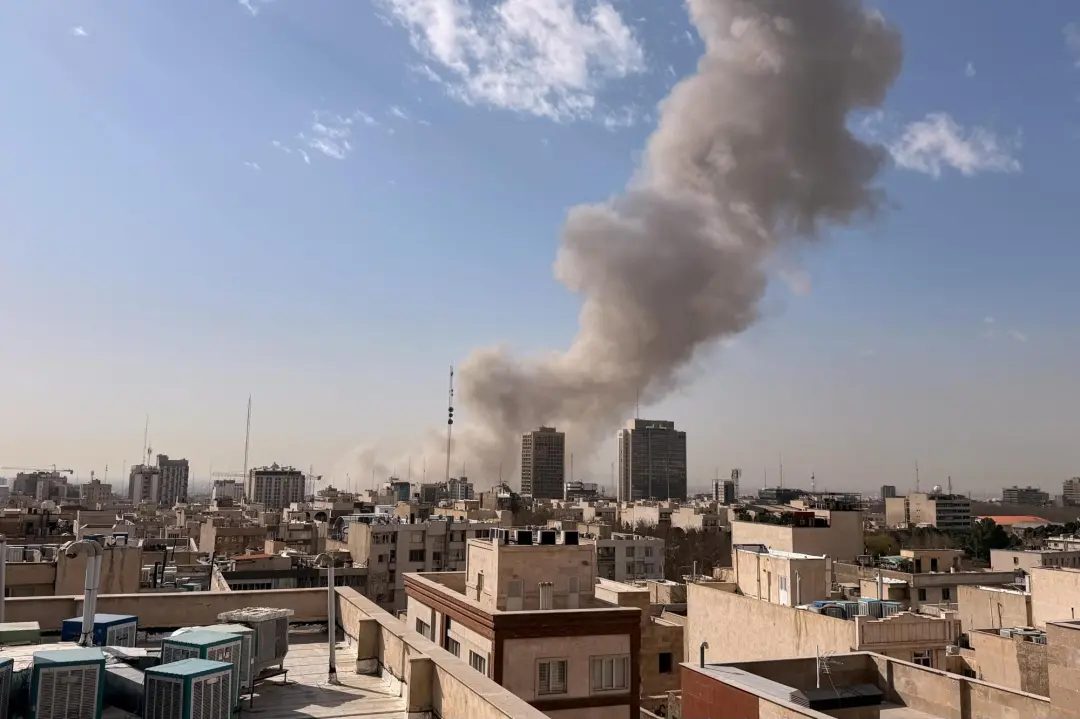
TEL AVIV, Israel, 6 March: Public support for Israel’s military campaign against Iran remains strong even as the conflict drags on and civilians continue to face periodic air-raid alerts. Restrictions on gatherings and business activity are gradually being lifted across Israel after the intensity of Iranian retaliatory strikes eased, though sirens still send residents rushing to shelters.
Many Israelis say years of regional tensions and conflict have left them exhausted, yet they still view the war as necessary. Chaya Dekel, a woman in her seventies who said she had witnessed multiple wars during her lifetime, expressed both fatigue and determination. “Iran didn’t want peace,” she said, adding that Israelis are living “with hope that there will be an end” and that people across the country want to “live in peace with our people and our neighbours.”
Recent polling reflects that sentiment. According to a survey by the Israel Democracy Institute, about 93% of Jewish Israelis support the war, compared with 26% among Israeli Arabs. Researcher Tamar Hermann described the level of backing as unusually high, saying the conflict has created a rare national consensus. “Even during the last campaign against Iran, we didn’t have such high numbers,” she said.
Israel’s military performance has also helped sustain public confidence. Officials say the country’s multi-layered air-defence system has intercepted between 80% and 90% of incoming Iranian projectiles, limiting the impact of retaliatory attacks. So far, 10 people have been killed in Israel during the strikes.
Some residents say the conflict is part of a broader period of instability that has shaken Israeli society in recent years. “It’s been five years of constant upheaval,” said Tel Aviv resident Tom Dan, referring to political crises, protests over judicial reforms, the 7 October 2023 Hamas attacks and subsequent regional fighting. Despite the strain, he said many Israelis believe the war serves an important purpose.
Others argue the conflict is seen domestically as an opportunity to weaken Iran’s leadership. Israeli-Iranian analyst Meir Javedanfar said many Israelis think the current moment could lead to political change in Tehran, with outside military pressure combined with internal opposition. But he cautioned that such expectations underestimate the difficulty of toppling a regime from outside.
Volunteers have also rallied to support communities affected by missile strikes. Nineteen-year-old student Rut Spigler helped clean debris at a site hit by an Iranian missile in Tel Aviv. She said wars involving Iran have historically brought Israelis together and expressed hope the current conflict might ultimately bring a lasting calm.
Still, not all voices support the offensive. Ron, a café owner in central Tel Aviv who declined to give his full name, said he opposes the war and fears its broader consequences. He argued that Israel should not act as “the police of the world” and questioned the legal justification for attacking a distant country.
Prime Minister Benjamin Netanyahu has defended the campaign, saying it could “usher in an era of peace that we haven’t even dreamed of.” He has also dismissed claims that Israel pushed the United States into the conflict as “ridiculous.” The United States, under President Donald Trump, has significantly expanded its military presence in the region, with Trump describing the deployment as an “armada.”
Despite strong support inside Israel, the war has drawn more mixed reactions abroad. In the United States, a Reuters/Ipsos poll found only about one in four Americans supports the strikes on Iran, highlighting a widening gap between Israeli public opinion and views among some of its key international partners.
Within Israel, however, polling suggests many citizens are prepared for the campaign to continue. Fifty-seven percent of Jewish Israelis say bombing should go on until Iran’s current leadership is overthrown, underscoring how deeply the conflict with Iran is viewed by many as a central national security challenge.
