

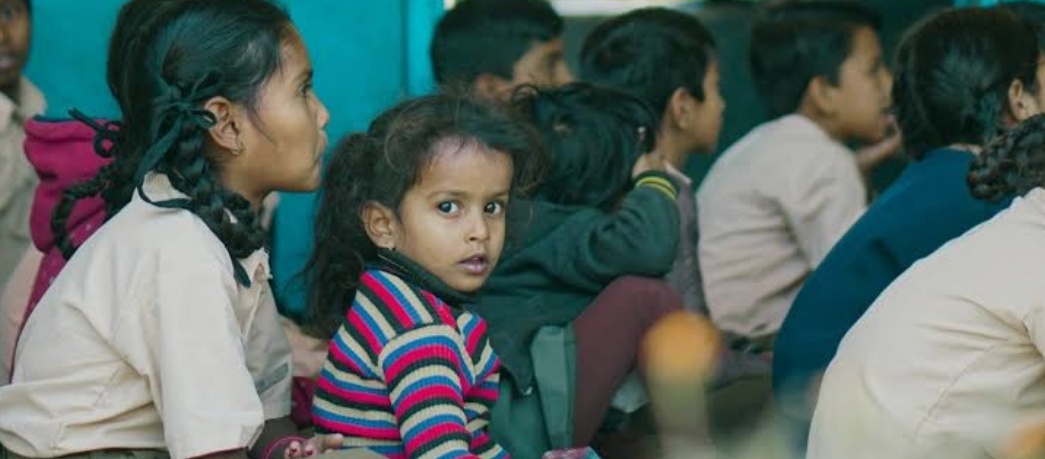
New Delhi, Mar 14: Climate change-driven increases in night-time temperatures could significantly reduce children’s sleep in the coming decades, potentially affecting their cognitive development and widening economic inequalities between richer and poorer regions, according to a new study.
Researchers found that rising temperatures linked to climate change are likely to increase human exposure to heat at night, leading to measurable sleep loss.
Reduced sleep duration, especially during childhood, may impair intellectual and cognitive performance, which could carry long-term socioeconomic consequences.
The study projects that by the 2100s, under a high-emissions scenario, people around the world could lose an additional 16.37 hours of sleep per person each year compared to the 2001–2010 baseline.
Such climate-driven sleep erosion could lead to diminished cognitive performance among children, potentially affecting learning outcomes and long-term productivity.
Researchers estimate that the resulting decline in intellectual performance could translate into global economic costs amounting to trillions of dollars by the end of the century.
The impacts, however, are expected to be unevenly distributed across the world. Less-developed regions are projected to experience greater per-capita losses in potential intelligence quotient (IQ) linked to sleep deprivation.
As a result, these regions could face several times the relative economic burden compared to wealthier regions, potentially deepening existing global environmental and economic inequalities.
The findings highlight how climate change may influence not only environmental conditions but also public health, education and economic development.
Researchers say the results underline the importance of climate mitigation and adaptation strategies, including policies that address heat exposure and protect sleep and health, particularly among children in vulnerable regions.
They add that the study contributes to a growing body of evidence on the broader societal costs of climate change and may help inform more equitable climate policies in the future.
