

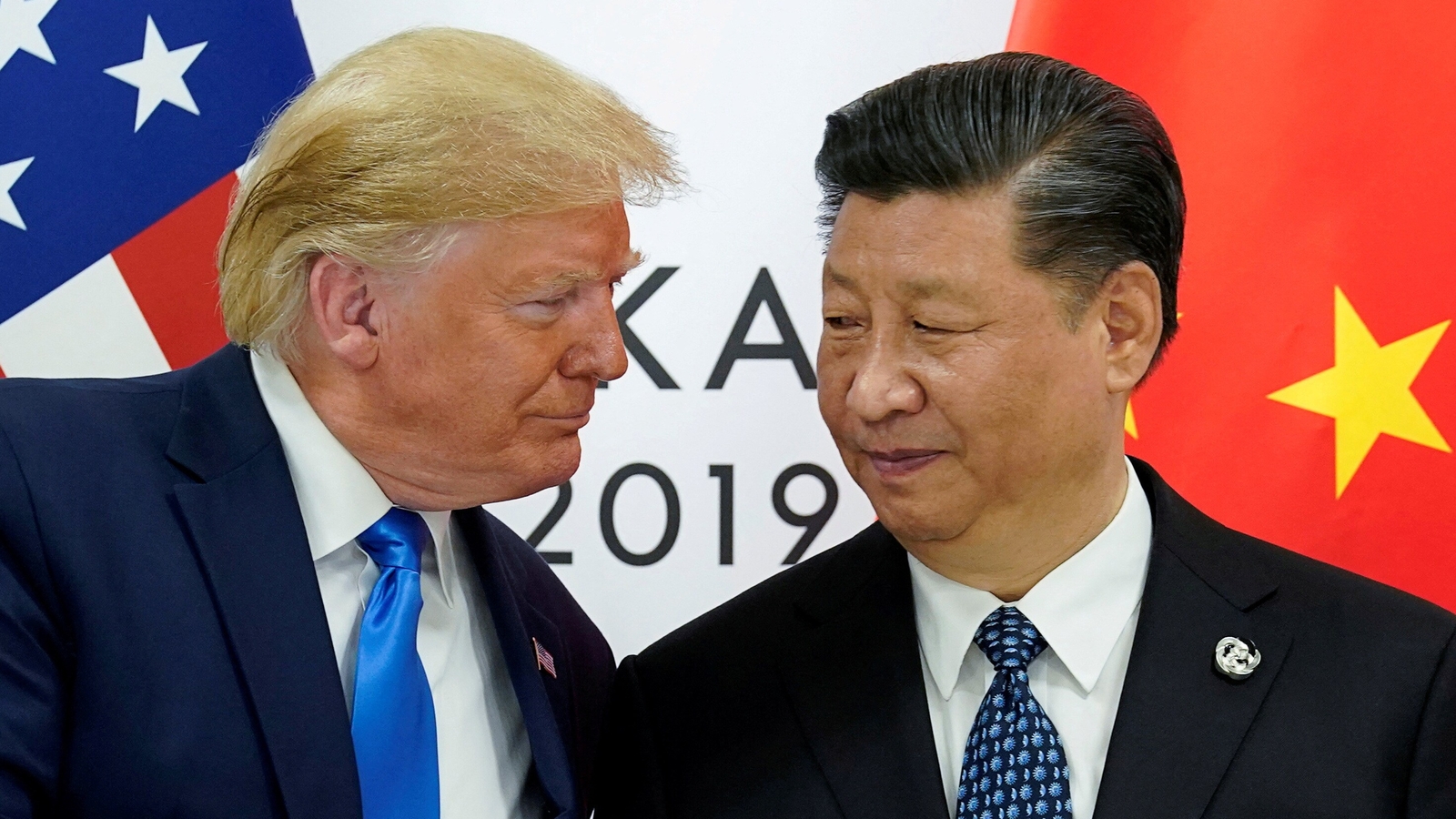
Beijing/Washington, April 10 – China on Thursday condemned U.S. President Donald Trump’s decision to raise tariffs on Chinese imports to 125%, calling the move a threat to the global economic order and urging Washington to de-escalate the trade conflict.
“This is a blatant act that goes against the will of the world and goes against the whole world,” Chinese foreign ministry spokesperson Lin Jian told reporters. He warned that the latest round of tariffs would “seriously damage the rules-based multilateral trading system” and undermine global economic stability. The sharp increase in duties, up from 104% just a day earlier, marks a significant escalation in the long-running trade war between the world’s two largest economies.
China’s Ministry of Commerce spokesperson He Yongqian urged the United States to return to the negotiating table. “The door to dialogue is open, but it must be based on mutual respect and conducted in an equal manner,” he said, reiterating China’s readiness to “fight to the end” if necessary.
In a tit-for-tat response, Beijing earlier this week imposed tariffs of up to 84% on U.S. imports. Analysts say more countermeasures could follow. Despite the intensifying rhetoric, Trump left the door open to a potential resolution. “China wants to make a deal,” he said. “They just don’t know how quite to go about it.”
Global markets found some relief after Trump paused the rollout of duties on some countries, including key U.S. allies. But his renewed focus on China has kept investors on edge. As tensions rise, Beijing has been working to strengthen trade ties with other economies, holding talks with the European Union and Malaysia. Australia, however, has declined to align with Beijing, despite being one of its largest trading partners.
“We are not going to be holding hands with China in respect of any contest that is going on in the world,” Australia’s Deputy Prime Minister Richard Marles said in an interview with Sky News.
The trade war is also hitting businesses on the ground. Chinese sellers on Amazon are reportedly weighing price hikes or a withdrawal from the U.S. market as costs rise. Meanwhile, the Chinese yuan fell to its lowest level since the global financial crisis, though expectations of state-backed support helped prop up domestic stocks.