

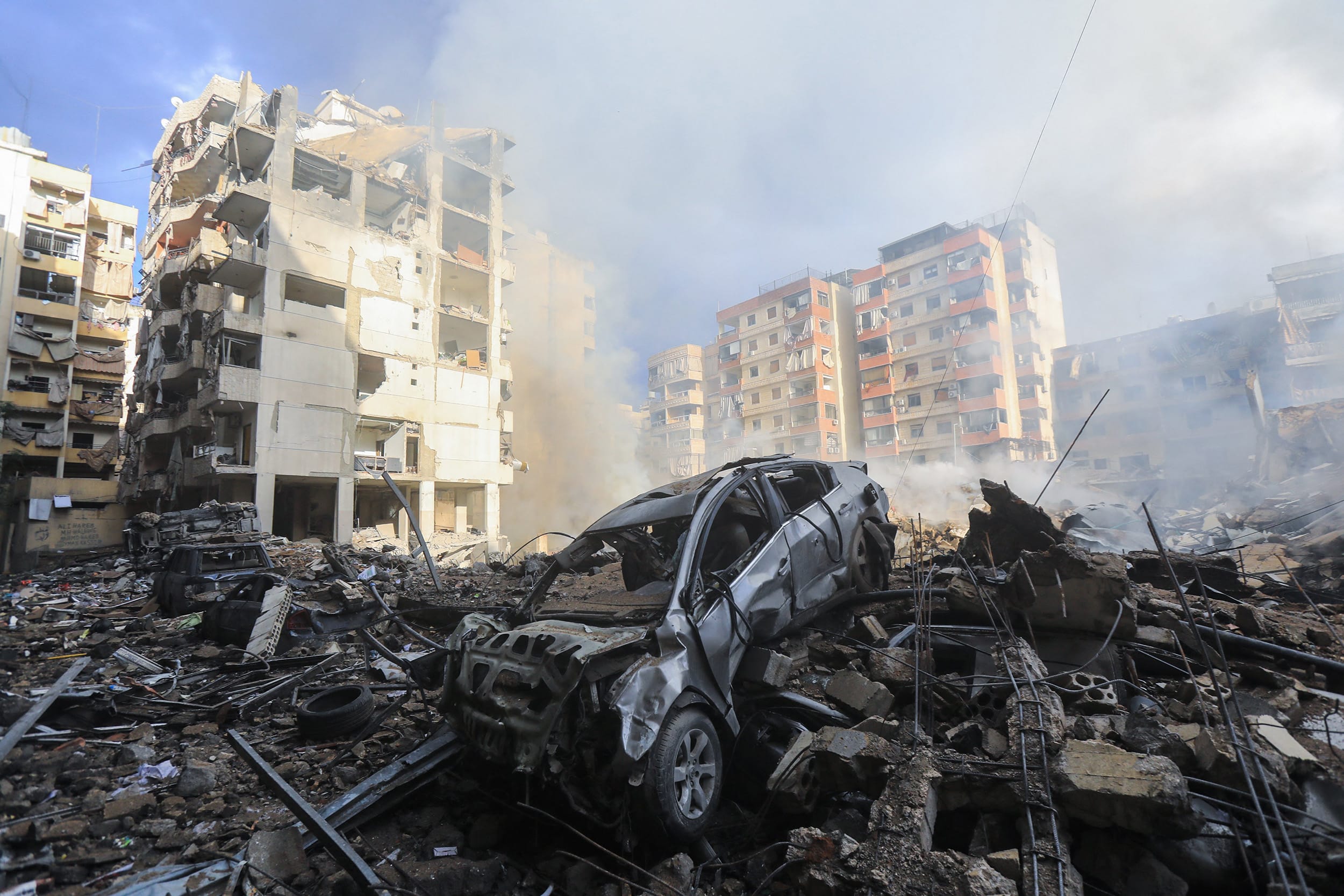
New Delhi, 2 March: At least 31 people were killed and 149 wounded in Israeli airstrikes on Lebanon, the country’s Health Ministry said Monday, as Israel declared it was prepared for a “multi-front” confrontation and confirmed it was operating simultaneously in Lebanon and Iran.
The escalation follows overnight rocket and drone launches from Lebanese territory that Israel attributed to Hezbollah, marking the group’s first claimed attack on Israel since the November 2024 ceasefire. Israeli authorities reported no deaths, injuries, or property damage from those launches.
In a statement, the Israel Defense Forces said it carried out “a wave of extensive strikes” across Lebanon after projectiles were fired toward Israeli territory. The military added that the Air Force and Navy, acting on intelligence guidance, hit dozens of sites — including what it described as headquarters linked to Iran and Hezbollah in Beirut’s southern suburb of Dahiyeh.
Israel’s defense establishment said a senior Hezbollah operative was killed in the strikes. Defense Minister Israel Katz also publicly signaled that Hezbollah’s leader, Naim Qassem, had been “marked,” underscoring the potential for further targeted action against the group’s top command.
Hezbollah confirmed responsibility for the cross-border attack, saying it launched rockets and drones “in retaliation” for the killing of Iran’s Supreme Leader, Ali Khamenei, and in defense of Lebanon. The group framed the operation as a response to regional developments involving Tehran.
Lebanon’s government moved swiftly to distance itself from the armed group’s actions. Prime Minister Nawaf Salam said his administration would prohibit what he called Hezbollah’s “illegal” military activities and would press for the organization to surrender its weapons — a politically sensitive demand in a country where Hezbollah wields significant influence.
The Israeli military stressed it is prepared for a prolonged and potentially expanding confrontation, describing the current campaign as part of a broader “multi-arena scenario” against threats to the state. By acknowledging parallel operations in Lebanon and Iran, Israel signaled that the conflict’s scope may extend beyond the immediate border theater.
With casualties mounting in Lebanon and rhetoric hardening on all sides, regional observers warn that the fragile ceasefire framework that held since late 2024 now faces its most serious test.
