

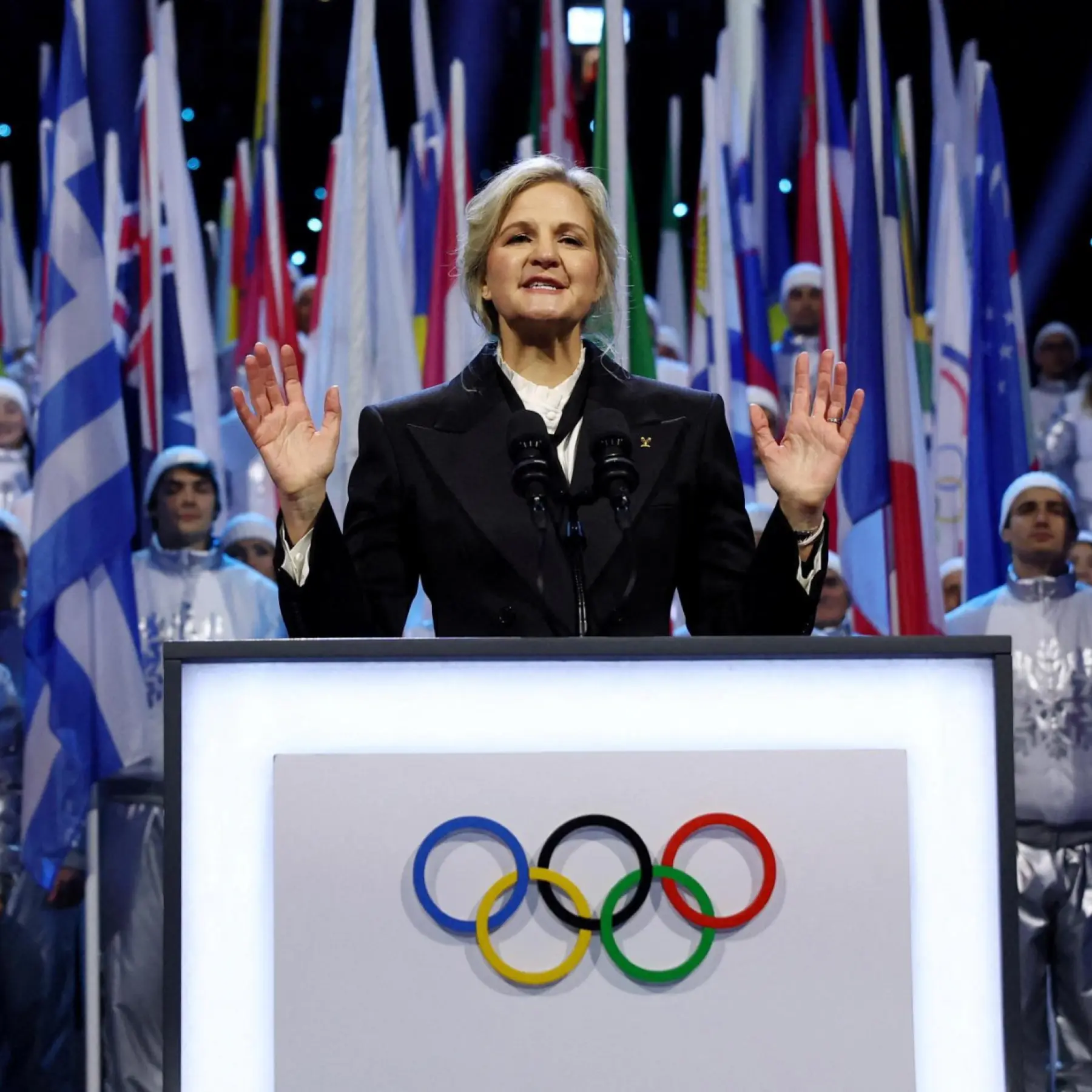
Switzerland, Mar 26: The International Olympic Committee has approved a sweeping new eligibility framework that restricts participation in women’s Olympic events to biological females, introducing a one-time genetic screening process that will debut at the Los Angeles 2028 Games.
Under the new rules, athletes seeking to compete in the female category will undergo a single SRY gene test, designed to detect the presence of a gene typically associated with male sex development. According to the IOC, those who test negative will be permanently eligible for women’s competition, while those with a positive result will be redirected to male, mixed, or open categories.
IOC President Kirsty Coventry said the decision was grounded in scientific consultation and aimed at preserving fairness in elite sport. She emphasized that even marginal biological differences can significantly impact outcomes at the highest level of competition, particularly in disciplines dependent on strength, speed, and endurance.
The policy follows an 18-month review involving medical experts, sports scientists, and athlete consultations across multiple regions. The IOC concluded that exposure to male puberty confers lasting athletic advantages, prompting the move toward a standardized, biology-based eligibility rule across all Olympic sports.
While the framework broadly excludes transgender women and most athletes with Differences in Sexual Development (DSD), it includes a narrowly defined exception for individuals with Complete Androgen Insensitivity Syndrome (CAIS) who have not experienced male puberty. Officials also stressed that the screening process—conducted via saliva, blood, or cheek swab—would be minimally invasive and performed only once in an athlete’s lifetime.
The decision marks a significant shift from the IOC’s previous approach, which allowed international federations to set their own gender eligibility criteria. By introducing a unified global standard, the Olympic body aims to reduce inconsistencies across sports and address long-standing disputes surrounding competitive equity.
Reactions to the announcement have been sharply divided. Some sporting bodies welcomed the move as a necessary step to ensure a level playing field, while critics—including athletes and academics—warned that the policy risks oversimplifying biological sex and could raise concerns around privacy, human rights, and inclusion.
The debate has intensified in recent years amid high-profile cases involving athletes such as Caster Semenya and Laurel Hubbard, as well as controversies like that surrounding Imane Khelif. These cases have brought global attention to the complex intersection of science, identity, and fairness in sport.
With implementation set for 2028, the IOC’s new policy is expected to face legal scrutiny and continued public debate, underscoring the challenge of balancing inclusion with competitive integrity in modern athletics.
