

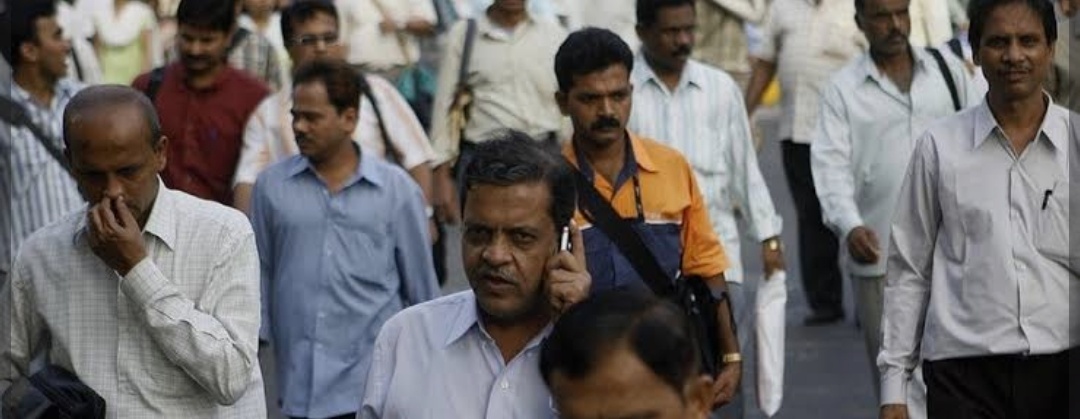
New Delhi, Mar 25: India is grappling with a deepening education and employment crisis that could widen inequality and impact long-term economic growth, according to recent findings by the Centre for Sustainable Employment at Azim Premji University.
The latest “State of Working India (SWI) 2026” report highlights that despite improvements in enrolment levels, disparities in access to quality education and limited job opportunities for youth continue to pose significant challenges.
The report notes that while India’s gross enrolment ratio in higher education is comparable to global peers, the distribution of quality institutions remains uneven. Top educational institutions are largely concentrated in select regions, particularly in southern states, leading to regional imbalances in access.
It also points to concerns over employability, stating that a significant proportion of graduates are concentrated in general degree programmes, especially in the social sciences, often lacking adequate technical, research or vocational skills required in a changing job market.
This trend has contributed to shortages in specialised fields, including science, technology, engineering and mathematics (STEM), particularly at the school level, thereby affecting the pipeline of skilled workers over time.
The report further highlights a growing dependence among youth on government jobs, with many aspirants waiting extended periods for limited vacancies in public sector roles. This preference is influenced not only by job security but also by perceptions of social protection and reduced discrimination in public employment.
Such dependence is more pronounced among vulnerable social groups, who face barriers in accessing private sector opportunities and entrepreneurial resources, it said.
At the same time, data suggest a slowdown in non-farm job creation in the private sector in recent years, even as more educated youth enter the labour force, intensifying competition for limited employment opportunities.
The findings also underline the role of emerging technologies such as artificial intelligence in potentially widening inequalities, as access to advanced skills and digital resources remains uneven across socio-economic groups.
Despite some reduction in occupational segregation, disparities across communities persist. Youth from marginalised groups continue to be overrepresented in low-paying and informal sectors such as agriculture and construction, with limited presence in modern services.
Experts say these trends reflect structural challenges in India’s development path, including unequal access to education, finance and productive assets.
The report suggests that addressing the employment crisis would require a multi-pronged approach, including expanding skill development, improving access to quality education, reducing discrimination and strengthening pathways from education to employment.
It also emphasises the need to promote apprenticeships and industry participation in training programmes to better align education outcomes with labour market demands.
Analysts warn that with India’s demographic dividend expected to narrow by 2040, tackling these structural issues will be critical to ensuring inclusive growth and long-term economic stability.
