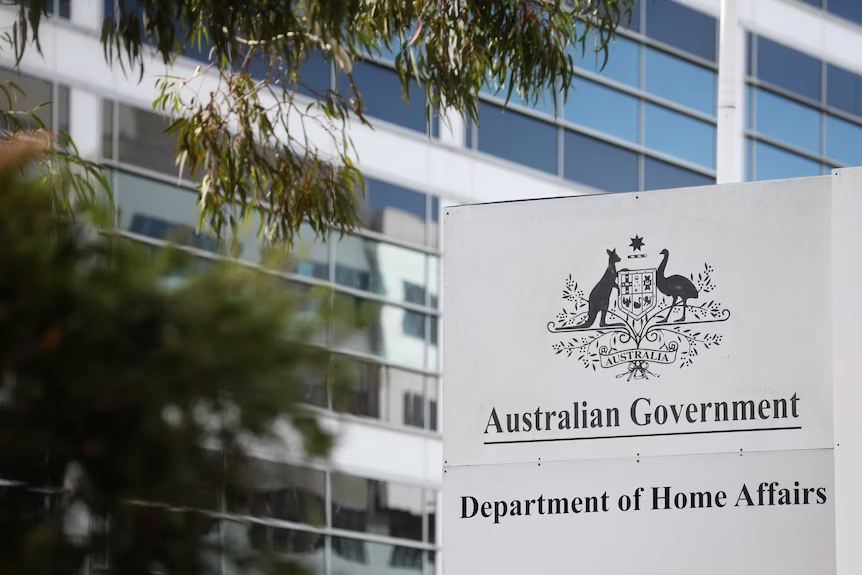
Sydney, Dec 31:Nearly 2,300 applicants have died over the past three years while waiting for Australian parent visas, as processing delays stretch up to three decades, according to government data revealed during Senate estimates. The prolonged wait times and growing backlog have sparked criticism of Australia’s migration system, with some calling it “cruel and unnecessary.”
Data from the Department of Home Affairs shows that 2,297 parent visa applicants and 87 other family members, such as aged dependent relatives or carers, died before obtaining visas. The delays for parent visas are staggering, with contributory parent visas taking an average of 14 years to process at a cost of A$48,495 ($31,250) and general aged parent visas requiring a wait of 31 years and costing A$5,125 ($3,300).
Applications for parent visas have surged from approximately 140,000 in mid-2023 to over 150,000 despite the Labor government’s decision to increase the annual cap from 4,500 to 8,500. Critics argue that the increased quota is insufficient to address the mounting backlog.
“Providing an opportunity for people to apply for a visa that will probably never come seems both cruel and unnecessary,” stated the migration review, which warned that the lengthy delays make successful migration “virtually nonexistent” for many applicants.
The review recommended reforms, including a green-card style lottery system to allocate visas more fairly or the removal of permanent residence pathways for parents while enhancing temporary migration options.
Opposition leader Peter Dutton has proposed cutting annual permanent migration by 25% starting in 2024-25, reducing the intake from 185,000 to 140,000 initially. Experts warn that such reductions could have significant implications for parent visas.
“If Dutton cut the permanent intake, he’d have virtually no parents entering Australia,” said Abul Rizvi, a former deputy secretary of immigration. He noted that partner visas, which are demand-driven and uncapped, would dominate the reduced family stream intake, leaving little room for parent visa applicants.
Rizvi highlighted the lack of political appetite to address the parent visa backlog due to the high costs associated with bringing older migrants into the country, including Medicare services. Even contributory parent visas, which require significant upfront fees, result in net budget losses.
Temporary parent visas, which allow stays of three to five years, are being viewed as a more viable option given the difficulties in obtaining permanent visas.
The lengthy delays are taking a mental and financial toll on families. Manu Baines, an Australian citizen, faces uncertainty as his parents, aged 64 and 60, must frequently leave the country due to restrictions on their visitor visas. Having applied for a contributory parent visa in May 2023, Baines’ parents face a wait of at least 12 more years.
“There’s that constant fear – of having to live at the mercy of a good case officer to extend the visa, the constant cost of flights and medical examinations every year. It’s very inconvenient,” Baines said.
Thomas Fuchs, a Swiss hair salon owner who has been in Australia for seven years, expressed frustration over the prolonged process. Fuchs initially expected a wait of 18 to 24 months for his parent visa but now fears further delays due to proposed migration cuts.
“Once you’re placed in a queue, nobody cares if you’re providing something [to Australia] or just coming in,” Fuchs said.
A spokesperson for the Department of Home Affairs acknowledged the delays, citing high demand and limited resources. “High volumes of permanent parent visa application lodgements… have impacted processing times and the number of on-hand applications within these categories,” the spokesperson said.
As families wait and frustration mounts, calls for reform grow louder. Whether Australia’s migration system can balance fairness, economic considerations, and compassion remains to be seen.