

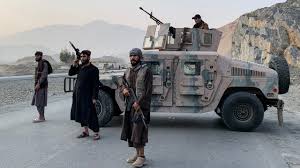
Islamabad, 28 Feb: A fragile truce between Pakistan and Afghanistan appeared to collapse on Friday after both sides confirmed fresh cross-border strikes, accusing each other of launching “unprovoked” attacks along their disputed frontier.
The Taliban administration in Kabul said Pakistani aircraft struck areas in Kabul, Kandahar and Paktia overnight. Taliban spokesman Zabihullah Mujahid described the strikes as a “cowardly” assault and said Afghan forces had initiated retaliatory operations targeting Pakistani military centers from Kandahar and Helmand.
Pakistan’s Information Ministry, however, said its forces were responding to earlier Afghan fire across multiple sectors, including Chitral, Khyber, Mohmand, Kurram and Bajaur. Officials characterized the action as a defensive counter-strike, vowing to safeguard Pakistan’s territorial integrity.
Conflicting Casualty Claims
The two sides released sharply differing casualty figures that could not be independently verified.
Afghan authorities reported eight soldiers killed and 11 wounded in Pakistani strikes. They also said 13 civilians were injured when a refugee camp in Nangarhar province was hit.
Pakistani officials claimed their forces killed 133 Afghan Taliban fighters, injured hundreds and destroyed several military posts. Islamabad acknowledged two of its soldiers were killed and three wounded in the exchanges.
Taliban officials countered by claiming dozens of Pakistani soldiers were killed and that multiple military outposts were seized — assertions rejected by Islamabad as “false propaganda.”
Independent verification of battlefield claims remains unavailable, and major international outlets said they could not confirm either side’s figures.
Escalation Along the Durand Line
Heavy exchanges were reported along the Durand Line — the 1,600-mile mountainous border long disputed by Kabul. Residents near crossing points, including Torkham, described hearing sustained gunfire and explosions. Authorities temporarily suspended the repatriation of Afghan nationals amid the fighting.
The renewed violence follows Pakistani strikes earlier in the week on alleged militant camps inside Afghanistan. Islamabad said those operations targeted the Tehrik-e-Taliban Pakistan (TTP) and affiliates linked to the Islamic State, groups it blames for a recent wave of deadly attacks within Pakistan.
Pakistan says it possesses “conclusive evidence” that militants responsible for domestic attacks operate from Afghan territory. Kabul denies harboring anti-Pakistan insurgents and accuses Islamabad of targeting civilian homes and religious institutions during its strikes.
Political Rhetoric Hardens
The rhetoric from both capitals has grown increasingly confrontational. Pakistan’s Defense Minister Khawaja Asif said his country’s “patience has run out,” while Information Minister Attaullah Tarar accused the Taliban administration of spreading “lies and propaganda” after suffering losses on the ground.
Taliban officials framed their actions as “preemptive” and defensive in nature, saying they were responding to repeated border violations.
Regional Implications
The flare-up threatens to destabilize a region already grappling with militant violence, economic strain and humanitarian pressures. Pakistan has hosted millions of Afghan refugees for decades, and renewed hostilities could complicate cross-border trade, migration management and counterterrorism coordination.
With the October ceasefire effectively in doubt, analysts warn that without urgent diplomatic engagement, the latest round of retaliatory strikes risks entrenching a cycle of escalation between the two neighbors — raising concerns about broader regional security in South Asia.
