

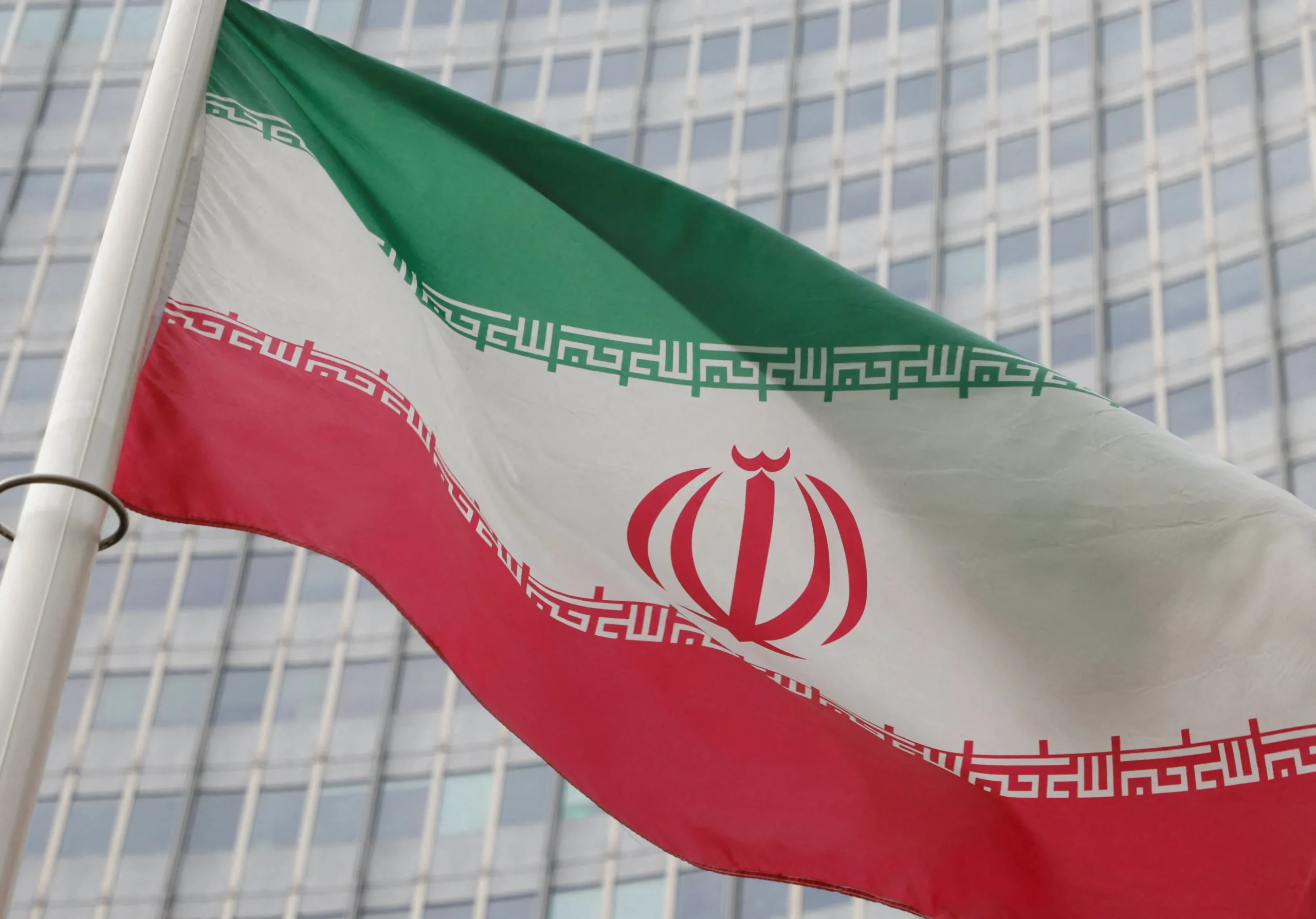
Dubai, June 10: Iran’s Intelligence Minister Esmail Khatib said on Sunday that Tehran is in possession of a significant cache of secret Israeli documents, which it plans to unveil soon. The files reportedly contain sensitive material relating to Israel’s nuclear program, its diplomatic ties with the West, and its defense capabilities.
Speaking to state television, Khatib described the trove as massive and strategically important. “Talking of thousands of documents would be an understatement,” he said, adding that their transfer into Iran had required extensive security measures and a prolonged period of secrecy.
Iran has not presented any evidence to back its claims, and Israel has yet to comment on the reported breach. The announcement comes amid heightened tensions between the two regional rivals, who have long engaged in covert operations against one another.
The disclosure follows recent reports of arrests in Israel of individuals suspected of spying for Tehran, though it remains unclear whether those cases are connected to the alleged document haul. It also comes roughly a year after hackers reportedly targeted an Israeli nuclear research facility—an attack some observers now believe may have yielded sensitive information.
“The documents are now in secure locations inside the country,” Iran’s state broadcaster IRIB reported, citing unnamed sources. The timing of the revelations was not specified.
Israel, widely believed to be the Middle East’s sole nuclear-armed state, has never officially confirmed or denied its nuclear weapons program. Iran, meanwhile, has repeatedly asserted that its nuclear efforts are peaceful, despite continued scrutiny from the International Atomic Energy Agency (IAEA).
Tensions over Iran’s nuclear activities remain high. The IAEA recently reported that Tehran had conducted undeclared nuclear work, prompting expectations of formal censure by the agency’s Board of Governors this week.
While the U.S. and Iran continue indirect negotiations over a renewed nuclear agreement, key sticking points persist. Supreme Leader Ayatollah Ali Khamenei rejected Washington’s latest proposal to curb uranium enrichment as “100 percent against our interests,” accusing the U.S. of arrogance.
Iran’s parliament speaker also criticized the talks, saying that the current draft deal fails to guarantee the lifting of U.S.-led sanctions—another major hurdle in reviving the 2015 nuclear accord, which the U.S. withdrew from in 2018.
The announcement of the document cache could further complicate diplomatic efforts and deepen the shadow conflict between Iran and Israel, which has already included cyberattacks, targeted assassinations, and retaliatory military strikes.
In April, both countries exchanged limited missile strikes following an Israeli air raid on Iran’s consulate in Syria. Although full-scale war was averted, the risk of escalation remains acute amid growing regional instability and unresolved nuclear tensions.