

United Nations, Mar 20: Humanitarian operations in Gaza continue to face major constraints despite the reopening of the Rafah crossing, while a new UN report has highlighted how gender inequality is worsening the global water crisis.
Separately, the UN has raised alarm over persistent deadly violence against human rights defenders in Colombia.Aid agencies have warned that relief delivery into Gaza Strip remains severely restricted, with Kerem Shalom crossing currently the only operational entry point for humanitarian and commercial supplies, creating what officials described as a “major bottleneck”.
UN Office for the Coordination of Humanitarian Affairs (OCHA) spokesperson Olga Cherevko stressed the urgent need for “rapid, safe and sustained” access to scale up aid deliveries.On Wednesday, three planned UN convoys were cancelled after Israeli authorities reportedly limited entry to fuel only, forcing agencies to leave behind essential supplies including food and fodder.
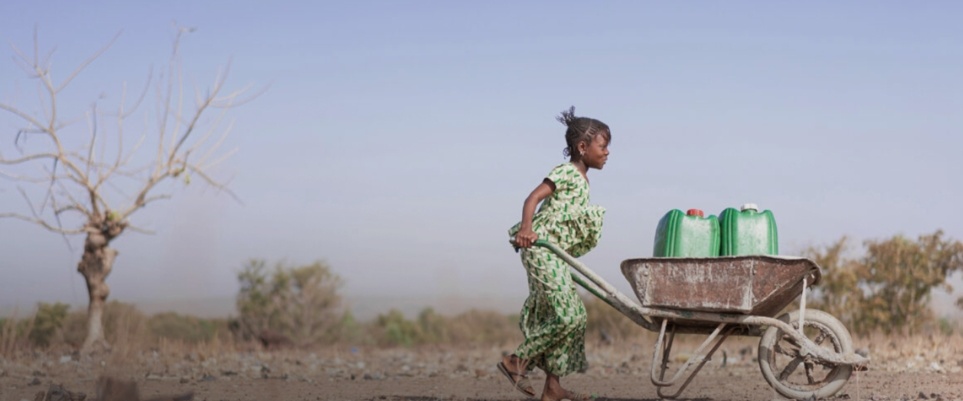
Meanwhile, UN humanitarian workers reported strikes hitting residential areas in Gaza and the West Bank, resulting in casualties.In a separate development, a report released by the UNESCO ahead of World Water Day has warned that entrenched gender inequality is exacerbating the global water crisis.
The report found that women are responsible for collecting water in over 70 per cent of rural households lacking reliable access. Globally, women and girls spend an estimated 250 million hours daily fetching water, limiting their access to education, employment and other opportunities.
The UN said inadequate sanitation infrastructure continues to expose women and girls to health risks and social stigma, while climate change and increasing water scarcity are further deepening inequalities.
It called for urgent measures to ensure equal access to water resources and greater participation of women in water governance.Meanwhile, the UN human rights office (OHCHR) has reported ongoing violence against human rights defenders in Colombia, describing the situation as among the most severe globally.
UN High Commissioner for Human Rights Volker Türk said it was “heartbreaking” that the country remains one of the deadliest for rights activists.
According to the report, 972 human rights defenders were killed between 2016 and 2025, with nearly 100 deaths recorded annually.
From 2022 to 2025 alone, 410 killings and over 2,000 threats and attacks were documented.
The violence has been linked to the continued presence of non-state armed groups, criminal networks involved in drug trafficking, illegal mining and logging, as well as weak state institutions.
Indigenous defenders have been disproportionately affected, accounting for 23 per cent of victims despite representing less than five per cent of the population.
The UN has called for urgent reforms to strengthen protection mechanisms, improve investigations and ensure accountability, while warning that funding constraints are limiting its ability to monitor abuses in high-risk areas.
