

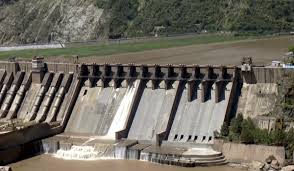
Islamabad, Dec 20: Pakistan on Friday accused India of violating the Indus Waters Treaty (IWT) by releasing water into the Chenab River without prior notification, warning that any deliberate disruption of river flows could be treated as an “act of war.”
Pakistan’s Deputy Prime Minister and Foreign Minister Ishaq Dar said authorities had detected “unusual, abrupt variations” in the Chenab’s flow between December 7 and 15, similar to changes observed earlier in April and May. He said Pakistan’s Indus Waters Commissioner has formally written to India seeking an explanation for the fluctuations.
“These variations in water flows are of extreme concern for Pakistan,” Dar said, adding that they “point to unilateral release of water by India” in violation of treaty requirements. He alleged that water was released without advance notice, calling it a “weaponisation of water” at a critical point in Pakistan’s agricultural cycle.
Dar warned that India’s actions threaten livelihoods, food security and economic stability, and amount to “material breaches that strike at the heart of the Indus Waters Treaty.” He also accused India of halting the sharing of hydrological data and technical information, and undermining joint oversight mechanisms, increasing Pakistan’s exposure to floods during high flows and droughts during low-water periods.
India placed the World Bank-brokered 1960 treaty in abeyance in April 2025, citing “fundamental changes to circumstances,” including population growth and the need to accelerate clean energy development, following a deadly militant attack in Indian-administered Kashmir that killed 26 people. New Delhi blamed Pakistan for backing the attack, an allegation Islamabad denies.
India’s Foreign Ministry did not immediately respond to Pakistan’s latest accusations. The treaty, which governs the sharing of six tributaries of the Indus river system, has endured multiple conflicts between the two nuclear-armed neighbours, but analysts say it is now under unprecedented strain amid heightened political and military tensions.
