

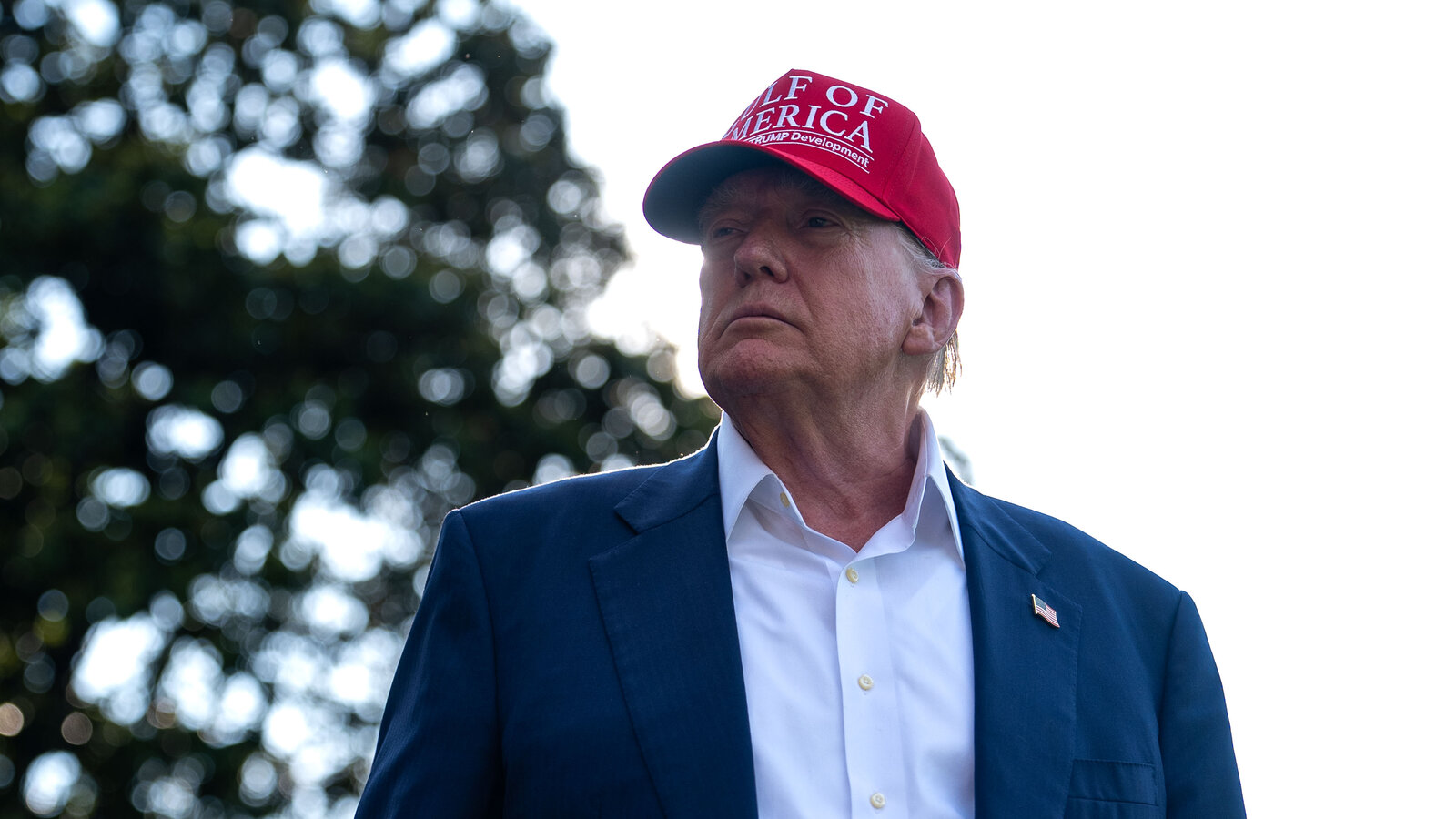
Bangkok/Phnom, July 27: U.S. President Donald Trump said on Saturday he had spoken with the leaders of Thailand and Cambodia to press for an immediate ceasefire following deadly border clashes between the two Southeast Asian neighbours. However, shelling continued overnight, and both sides remained locked in a tense standoff.
In a post on his social media platform Truth Social, Trump wrote that both countries “have agreed to immediately meet and quickly work out a Ceasefire and, ultimately, PEACE!” His intervention came as the conflict, which began on July 24, entered its fourth day, displacing thousands and killing at least 33 people, including civilians.
Both Phnom Penh and Bangkok acknowledged Trump’s outreach and expressed gratitude. Cambodian Prime Minister Hun Manet said his country had already proposed an “immediate and unconditional ceasefire,” citing Cambodia’s weaker military position.
“I made it clear to [Trump] that Cambodia agreed with the proposal… Trump’s mediation will truly help protect the lives of many soldiers and civilians,” Hun Manet said in a statement.
Thailand, while welcoming Trump’s interest, stressed that dialogue must precede any ceasefire. Acting Prime Minister Phumtham Wechayachai said Thailand agreed “in principle” but sought “sincere intention” from Cambodia before halting hostilities.
The violence stems from a long-running territorial dispute over a temple complex along the border, a flashpoint in past confrontations. Cambodia alleges Thai forces violated a prior agreement by advancing on a Khmer-Hindu temple, while Thailand claims Cambodian military drones triggered the current flare-up by surveilling Thai positions.
Despite Trump’s call, neither side has changed its strategic posture. Artillery and air strikes reportedly resumed late Saturday, with no signs of immediate de-escalation.
The U.S. president also linked peace to economic cooperation, stating he hoped to resume trade negotiations once fighting ceased. “When all is done, and peace is at hand, I look forward to concluding our Trading Agreements with both!” he said.
The remarks come days before a 36% tariff is due to take effect on Cambodian and Thai exports to the United States on August 1, unless an agreement is reached.
Trump’s involvement in the conflict has raised eyebrows, as Thai Foreign Minister Maris Sangiampongsa said on Friday: “I don’t think we need any mediation from a third country yet.” Malaysia had previously offered to facilitate talks.
The border dispute traces back more than a century to colonial-era demarcations following French rule in Cambodia. Sporadic skirmishes have erupted over the years, but this latest escalation has prompted renewed fears of wider instability in the region.