

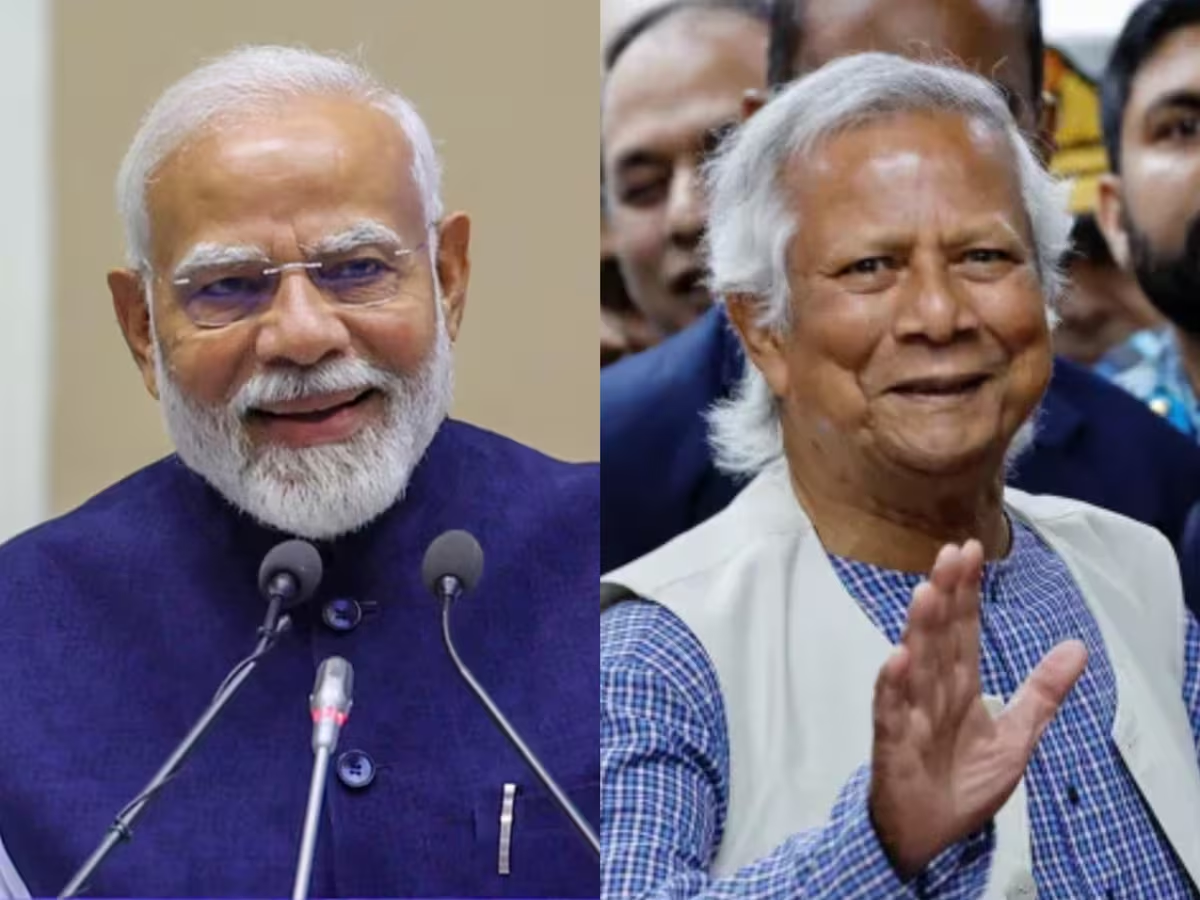
Bangladesh Awaits India’s Response on Proposed Yunus-Modi Meeting
Dhaka, March 25 – Bangladesh is awaiting India’s response to a proposed meeting between Nobel laureate Muhammad Yunus and Prime Minister Narendra Modi on the sidelines of the upcoming Bay of Bengal Initiative for Multi-Sectoral Technical and Economic Cooperation (BIMSTEC) summit, Foreign Secretary Md. Jashim Uddin said on Tuesday.
The proposal comes amid strained bilateral ties following the August 5, 2024, regime change in Bangladesh, which saw Prime Minister Sheikh Hasina’s Awami League government ousted after 16 years in power. Hasina reportedly fled to India following the political upheaval.
Yunus and Modi are both expected to attend the BIMSTEC summit in Thailand from April 2-4. “A bilateral meeting could help ease tensions,” Jashim Uddin said, acknowledging the strain in India-Bangladesh relations. However, India’s External Affairs Ministry spokesperson Randhir Jaiswal said last week that he had no update on any such meeting.
Ahead of his Bangkok visit, Yunus will travel to China for a three-day visit starting Wednesday to attend the Boao Forum for Asia (BFA) annual conference in Hainan Province, an economic summit often likened to the World Economic Forum in Switzerland.
During the visit, Yunus is expected to meet Chinese President Xi Jinping, with discussions potentially covering the Teesta River reservoir project, a long-standing issue between Bangladesh, India, and China. India had previously expressed reservations about Chinese involvement in the project during Hasina’s tenure.
“Teesta is not on the agenda for this visit, but water management discussions may touch on the subject,” Jashim Uddin said.
China had earlier conducted a survey on the proposed Teesta River Comprehensive Management and Restoration project, reportedly at the invitation of Hasina’s government. However, Hasina later indicated that India could take over the initiative given the river’s shared status between the two neighbors.
In addition to water-sharing concerns, Yunus’ visit to China is expected to include discussions on Myanmar’s internal situation and the Rohingya refugee crisis. Bangladesh and China are also set to sign agreements on human resource development, economic and technical cooperation, and enhanced media connectivity.
On military cooperation, Jashim Uddin said talks would cover general security issues and potential defense purchases. “China is a close friend of Bangladesh, and they see us in the same way,” he said.