

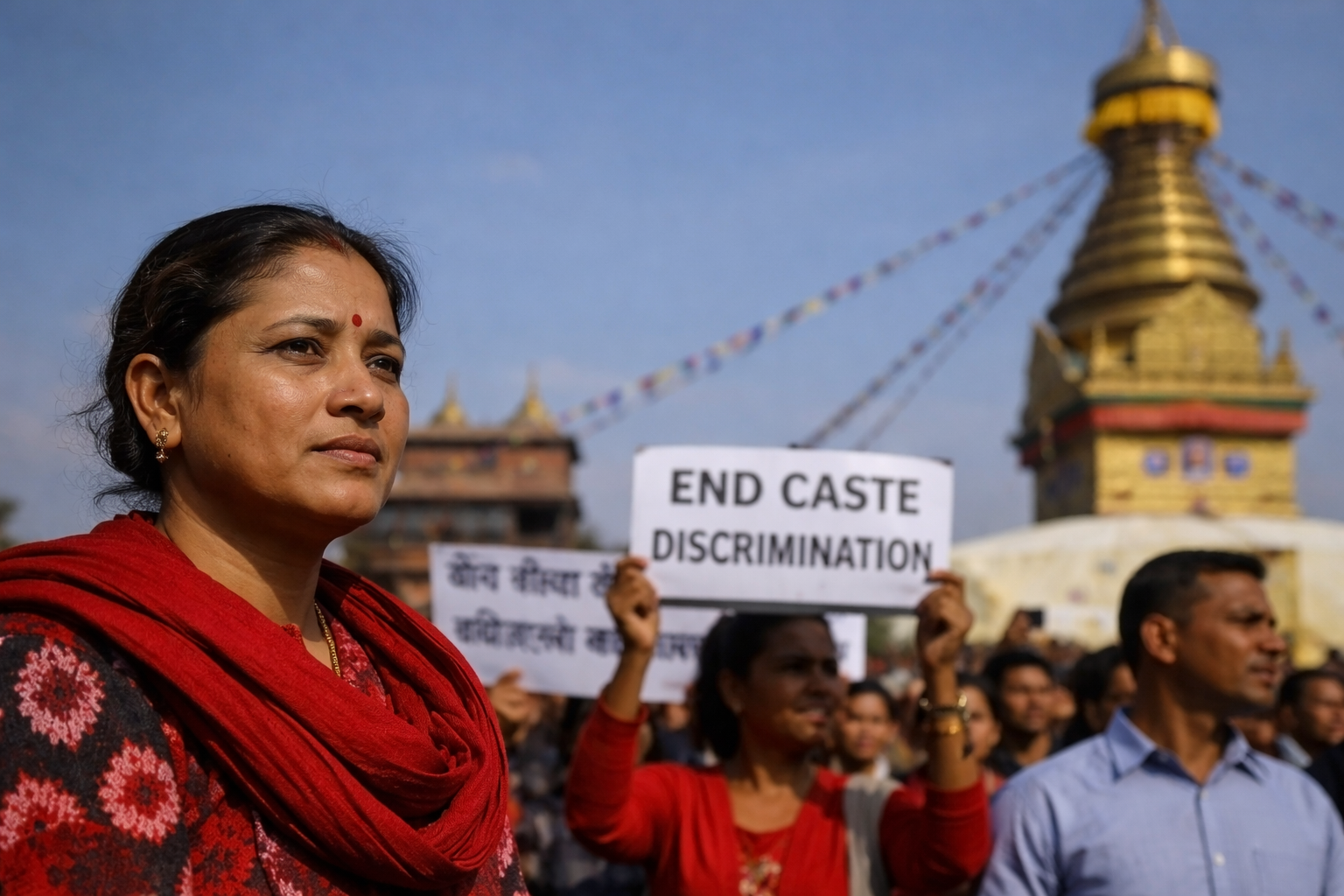
Kathmandu, Mar 31: Nepal’s government, led by Prime Minister Balendra Shah, has announced that it will formally apologise to the Dalit community for the first time, marking a historic step towards addressing centuries of caste-based discrimination in the Himalayan nation.
The apology, which is part of the government’s 100-day governance action plan, will be accompanied by a reform programme to be rolled out within the next two weeks, aimed at promoting inclusive rehabilitation, historical reconciliation and social justice.
The move has been widely described by rights activists as symbolic yet significant, though many stressed that its true value would depend on concrete follow-up measures.
Saraswati Nepali, a Dalit activist who faced untouchability discrimination as a child, said the state apology would help heal long-standing wounds but added that justice would only be meaningful if constitutional rights were effectively implemented.
Dalits account for around 13 per cent of Nepal’s nearly 30 million population and have historically faced exclusion under the Hindu caste system, where they were considered “untouchable”.
Although Nepal declared itself an untouchability-free nation in 2006, criminalised caste discrimination in 2011 and enshrined Dalit rights in the 2015 Constitution, activists say social discrimination and structural inequalities persist.
According to rights groups, Dalits currently hold only around 6 per cent of seats in Parliament, while nearly 42 per cent of the community continues to live below the poverty line. Low literacy levels, inadequate healthcare access, unemployment and weak political representation remain major concerns.
Dalit rights activist Pradip Pariyar termed the apology “the first step” in the struggle for equality, but stressed that real progress would require stronger law enforcement, better reporting mechanisms for caste-based crimes and dedicated welfare institutions.
Human rights organisations, including Amnesty International, have also flagged under-reporting of caste-related violence and a lack of accountability for perpetrators.
The 2016 killing of Ajit Mijar, allegedly linked to an inter-caste marriage, continues to be cited as a stark example of delayed justice.
Meanwhile, the appointment of Sita Badi, the first minister from one of the most marginalised Dalit communities, has been seen as a positive sign of greater inclusion.
Activists, however, have emphasised that the apology must go beyond symbolism and be backed by nationwide outreach, economic reparations and effective justice delivery mechanisms.
The proposed apology is being viewed as a historic milestone, but observers say lasting equality will depend on sustained reforms, social awareness and rebuilding trust between the state and the Dalit community.
