

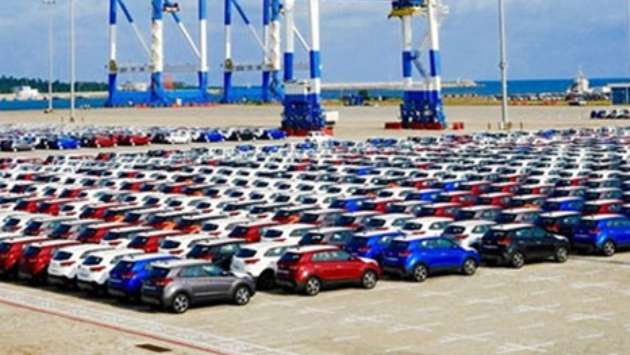
Colombo, Dec 22: Sri Lanka Customs has launched a major technological overhaul of its vehicle clearance procedures, introducing a secure system-to-system digital integration aimed at preventing data manipulation, duty evasion, and revenue leakage in vehicle registrations.
The reform follows findings by Parliament’s Committee on Public Accounts (COPA), which identified serious loopholes arising from the absence of a secure computerised link between Sri Lanka Customs and the Department of Motor Traffic (DMT). COPA reported that this gap had enabled the tampering of key vehicle specifications, including year of manufacture, engine capacity, and country of origin, during the registration process.
At the centre of the overhaul is an upgraded integration of the ASYCUDA World platform, enabling Customs to electronically transmit critical vehicle data directly to the DMT. Information such as engine and chassis numbers, vehicle model details, and the exact amount of Customs Import Tax paid is now shared digitally, ensuring that vehicles are registered strictly in line with data cleared by Customs.
Officials say the new framework is designed to eliminate long-standing fraudulent practices, including the misclassification of vehicles to fall into lower tax brackets and the manipulation of manufacturing years to bypass regulatory restrictions. By granting the DMT view-only access to the ASYCUDA World system, authorities can now verify registration data in real time against original Customs declarations.
The initiative forms part of the government’s broader strategy to strengthen national revenue collection and tighten financial management within Sri Lanka Customs. The Ministry of Finance, Planning and Economic Development has emphasised that preventing revenue leakage is a priority, with quarterly Audit Management Committee meetings now in place to ensure oversight and compliance.
While the current integration primarily links Customs with the DMT, authorities have acknowledged the need for a broader digital ecosystem. Plans are underway to eventually connect four key institutions—Sri Lanka Customs, the Department of Motor Traffic, the Department of Inland Revenue, and the Department of Import and Export Control—allowing comprehensive tracking of a vehicle’s fiscal and regulatory history.
The modernisation framework was formally submitted to Parliament on November 6, 2025, by President Anura Kumara Dissanayake. Officials describe the reforms as a critical step toward enhancing transparency, efficiency, and fiscal discipline in Sri Lanka’s vehicle import and registration system.
