

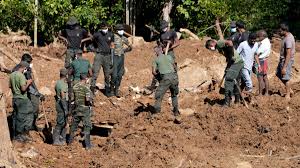
Colombo, Dec 20: Sri Lanka will require at least two years to fully rebuild after Cyclone Ditwah, as persistent landslide risks, damaged infrastructure, and large-scale agricultural losses continue to hinder recovery efforts, Prime Minister Harini Amarasuriya told Parliament.
The Prime Minister said reconstruction has been complicated by the fact that even normal rainfall is now triggering landslides, forcing authorities to consider the relocation of vulnerable communities and public institutions. Of the 1,362 schools closed following the cyclone, 666 have yet to reopen, while several higher education institutions in the Central, Uva and Sabaragamuwa provinces have suffered extensive damage. The University of Peradeniya was among the worst affected, with key facilities including laboratories, hostels and sports infrastructure damaged.
“These factors will inevitably prolong the rebuilding process. It may take at least two years,” Amarasuriya said, stressing that recovery planning must be guided by scientific assessments. She noted that buildings designed by Sir Ivor Jennings, the first Vice-Chancellor of the University of Ceylon, remained unaffected by flooding, underscoring the importance of science-based urban planning. The Prime Minister also reiterated that the government would not engage individuals facing corruption charges in relief or reconstruction activities.
Beyond infrastructure, the cyclone has delivered a severe blow to Sri Lanka’s agriculture sector, which supports nearly 1.8 million farming families. According to government and United Nations estimates, flooding and landslides have affected more than 535,000 hectares of farmland, with over 120,000 hectares completely destroyed. The disaster damaged 483 dams and 1,936 canals, disrupting irrigation networks critical to rice cultivation.
Farmers are now struggling to replant amid mounting costs, delayed compensation and concerns about reduced yields. “I have to clear out the mud, level out the field, and then plant again,” said Kalanchi Dewage Risman, a rice farmer in central Sri Lanka, noting that late planting could significantly reduce harvests.
The cyclone killed 643 people and displaced more than 70,000, while food supply disruptions have raised concerns about rising prices. Analysts warn that food inflation could double in the short term, adding pressure on households already coping with disaster-related losses.
The government has earmarked over Rs. 15 billion for compensation, including Rs. 150,000 per farmer for severely damaged fields. Agriculture Secretary D. P. Wickramasinghe said authorities are urging farmers to replant by the end of December and ruled out immediate rice imports, expressing confidence that timely repairs could help salvage part of the season’s output.
Despite these assurances, many affected families say recovery remains uncertain, as they balance the costs of rebuilding homes and fields with existing debts, highlighting the scale of the challenge Sri Lanka faces in the aftermath of Cyclone Ditwah.
