

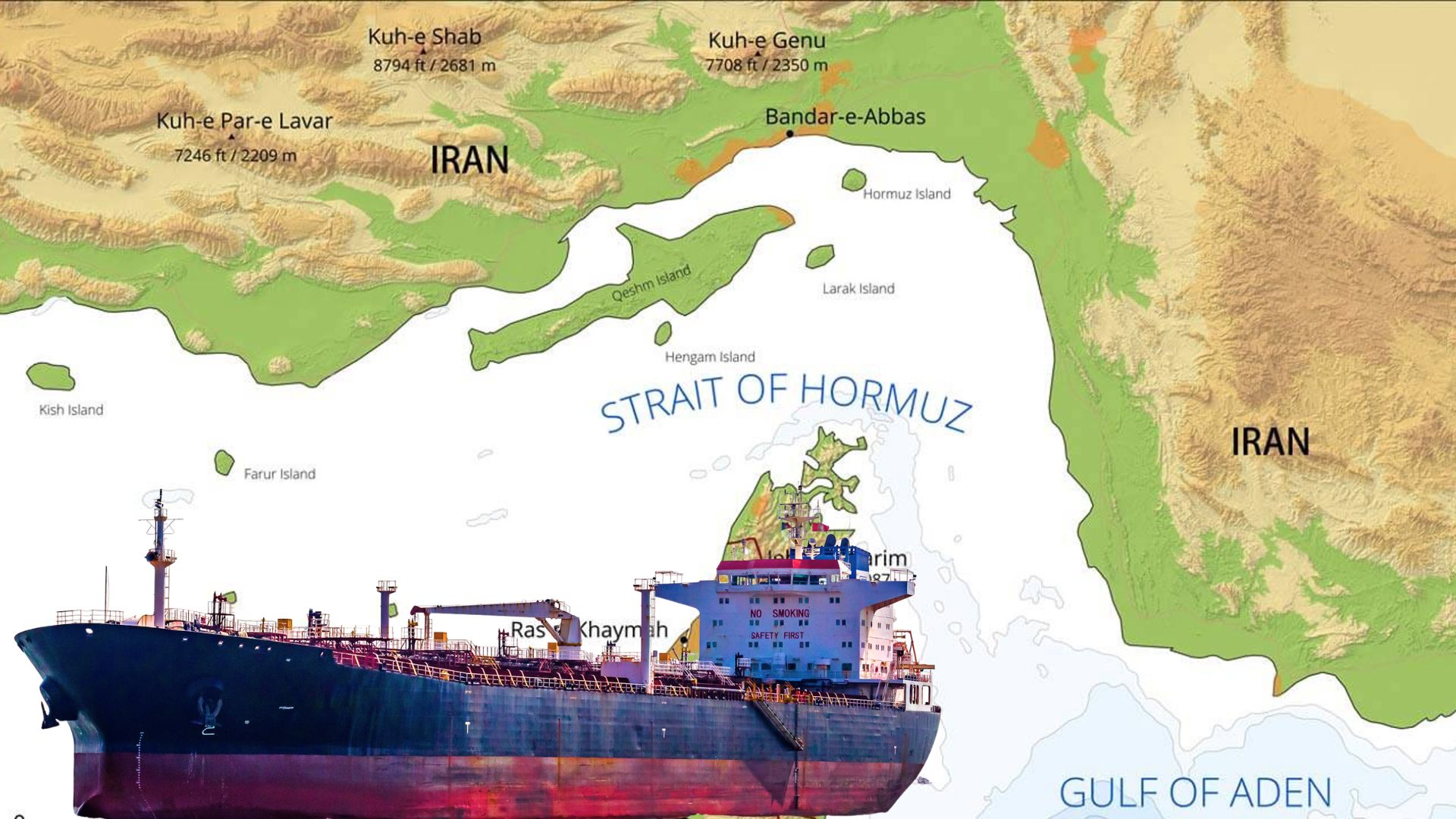
Beijing, Mar 6: China is beginning to feel the ripple effects of the ongoing conflict involving Iran in the Middle East, with analysts warning that prolonged instability in the region could pose economic and strategic challenges for the world’s second-largest economy.
While Beijing has not yet been directly affected by the conflict, experts say the situation could impact China’s energy security, trade routes and overseas investments if tensions persist.
China currently has enough oil reserves to meet its needs for several months and could potentially turn to Russia for additional supplies if disruptions in the Middle East worsen, analysts said.
The conflict comes at a time when Chinese leaders are already grappling with economic challenges at home. Thousands of Communist Party delegates are meeting in Beijing this week to chart a roadmap for the economy as the country faces low domestic consumption, a prolonged property sector crisis and rising local government debt.
China has also lowered its annual economic growth target to its lowest level since 1991, even as the government continues to invest heavily in high-tech and renewable energy industries.
Geopolitical tensions are also adding pressure on Beijing. China has spent the past year navigating a trade war with the United States and now faces the prospect of instability in the Middle East — a crucial region for both its energy imports and global shipping routes.
Analysts warn that any prolonged disruption to traffic through the Strait of Hormuz could significantly affect China’s oil imports and international trade.
Philip Shetler-Jones of the Royal United Services Institute said instability in the Middle East could have wider repercussions for regions linked to Chinese economic interests.
“A prolonged period of turmoil and insecurity in the Middle East will disrupt other regions of importance for China,” Shetler-Jones said.
“African economies, for instance, have been the beneficiary of substantial and steady flows of Gulf capital. If the investment tide goes out, this risks wider instability that undermines the sustainability of China’s broader and longer-term interests,” he added.
Observers say Beijing is likely to adopt a cautious approach and avoid being drawn directly into the conflict while closely monitoring developments.
Professor Kerry Brown, director of the China Lau Institute at King’s College London, said Chinese policymakers are also questioning the broader strategy behind the conflict.
“What is the game plan? Surely the Americans didn’t go into this with no game plan,” Brown said.
“Probably, along with everyone else, they would also be thinking, oh God, they really have gone into this with no plan at all,” he added.
“We don’t want to get dragged into this like we don’t want to get dragged into anything else, but we also need to do something,” Brown said.
Iran has often been viewed in the West as a strategic partner of China, though analysts say the relationship is more complex than a formal alliance.
