

New Delhi, June 25: The government on Wednesday approved the Rs 5,940-crore revised Jharia Master Plan (JMP) to deal with fire and rehabilitation of affected families.
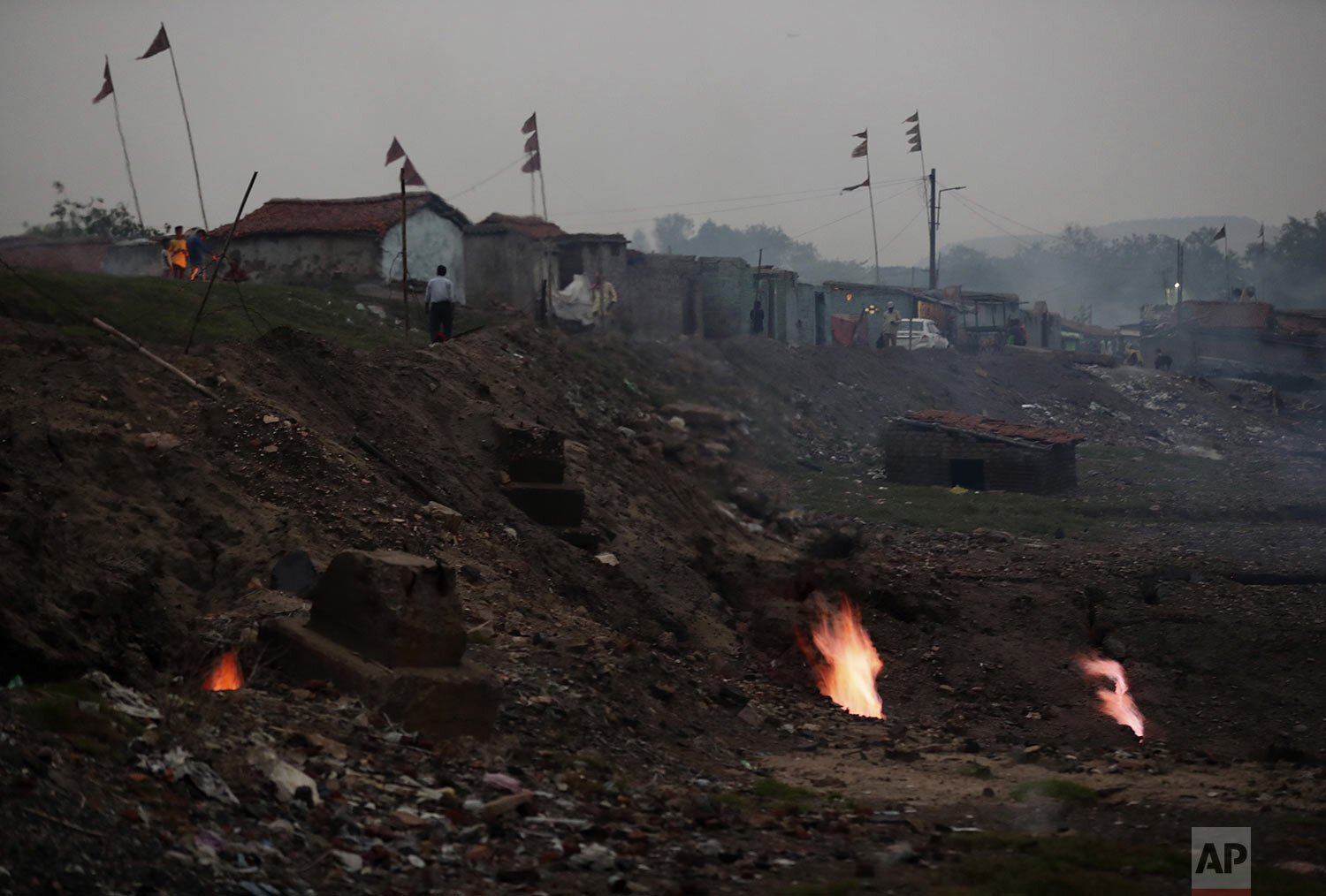
Jharia, located in Dhanbad district of Jharkhand is considered India’s biggest coal reserves, but the health crisis, including severe respiratory illnesses, associated with fires at these mines has presented a grim contrast.
The Jharia coalfields have suffered from severe fire and land subsidence due to “unscientific” mining practices carried out prior to nationalisation. Mining has been done here since the 1890s.
Under the 2009 rehabilitation plan, although progress was limited, the number of active surface fire sites was reduced from 77 to 27, and 39 out of 595 identified subsidence sites were stabilised.
The revised plan is now expected to reignite implementation efforts, bringing long-awaited relief and dignity to the people of Jharia.
The decision in this regard was taken during the Cabinet meeting under the Chairmanship of Prime Minister Narendra Modi. The total financial outlay for the implementation of the revised plan is Rs 5,940.47 crore.
The revised master plan lays a much stronger emphasis on sustainable livelihood generation for families being resettled under the plan. Targeted skill development programmes are to be undertaken and income-generating opportunities will be created to ensure economic self-reliance of the rehabilitated families.
The Jharia Master Plan for dealing with fire, subsidence and rehabilitation in Jharkhand’s Dhanbad district was approved by the Centre in August 2009, with an implementation period of 10 years and a pre-implementation period of two years with an estimated investment of Rs 7,112.11 crore. The plan expired in 2021.
According to a government statement, the revised plan places stronger emphasis on sustainable livelihood generation.
Families being resettled will receive targeted skill development training and access to income-generating opportunities to help ensure long-term economic stability. As part of the revised package, both Legal Title Holder (LTH) and Non-Legal Title Holder (Non-LTH) families will be eligible for a one-time Livelihood Grant of Rs 1 lakh and institutional credit support of up to Rs 3 lakh.
The Cabinet also approved the development of comprehensive infrastructure and essential amenities at the resettlement sites. This includes roads, electricity, water supply, sewerage systems, schools, hospitals, skill development centres, community halls, and other facilities.
To further promote livelihood opportunities, a dedicated Jharia Alternative Livelihoods Rehabilitation Fund will be set up.