

Tanushree Prasad
New Delhi, May 1: As India commemorated Labour Day on Thursday, a closer look at the country’s labour landscape revealed enduring inequalities and systemic challenges despite decades of reforms, wage hikes and policy overhauls.
While the Indian government has taken steps in recent years to uplift worker incomes and consolidate labour laws, a significant portion of the labour force — particularly in the informal sector — continues to face economic insecurity, poor working conditions and limited access to social protections.
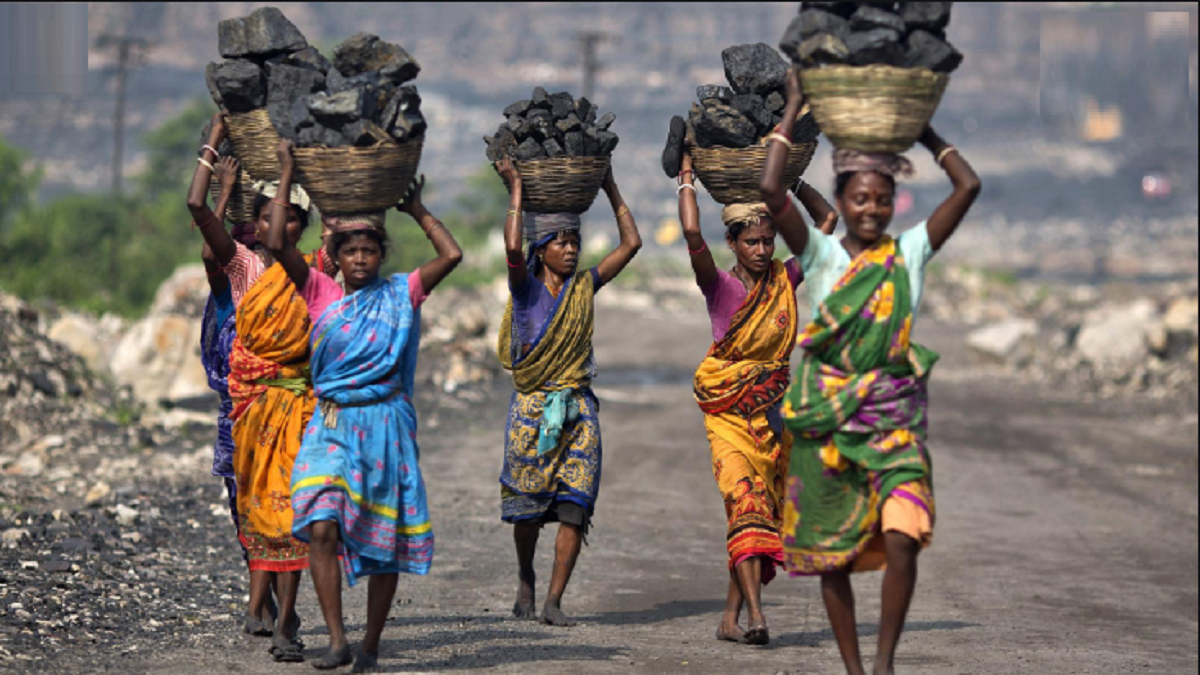
Historic disparities underscore the scale of the problem. In the 1960s, Adivasi labourers in eastern Orissa earned just 17 cents a day for women and 24 cents for men, as reported by The New Yorker in 1961. Decades later, despite wage adjustments and policy interventions, experts say structural stagnation persists.
A 2024 analysis by Bahutva Karnataka found that while self-employment has risen over the past decade, access to formal jobs with social security remains largely out of reach for millions. “The employment landscape has not diversified at the pace needed,” said one labour economist.
On October 1, 2024, the central government revised the minimum daily wage across skill categories — unskilled workers now earn ₹783 ($9.40), semi-skilled ₹868, skilled ₹954 and highly skilled ₹1,035. Monthly equivalents range from ₹20,358 to ₹26,910.
While the hike is aimed at cushioning workers from rising living costs, labour rights advocates say inflation continues to outpace wage growth for millions in the informal sector.
In a move aligned with global standards, India also announced plans to shift from a minimum wage framework to a living wage model by 2025, supported by the International Labour Organization (ILO). The proposed policy aims to ensure income adequacy for housing, nutrition, education, healthcare and clothing.
Between 2019 and 2020, the Indian Parliament passed four labour codes aimed at consolidating and modernizing labour laws. However, implementation has been delayed amid strong opposition from several states and trade unions.
In September 2024, thousands of workers across the country staged protests demanding the repeal of these codes, alleging they prioritize corporate interests over workers’ rights. “These laws dilute protections for contract workers and limit the right to collective bargaining,” said a representative from a national trade union.
Extreme weather is compounding risks for India’s outdoor workforce. A 2024 investigation by The Guardian highlighted life-threatening conditions in Bihar’s brick kilns, where labourers toil for hours in searing heat without adequate hydration or rest. Health experts warn that rising temperatures could render such manual labour increasingly dangerous, even deadly.
Despite growing awareness and some policy shifts, experts say India’s labour ecosystem remains marked by informality, wage disparities and delayed reform implementation.