

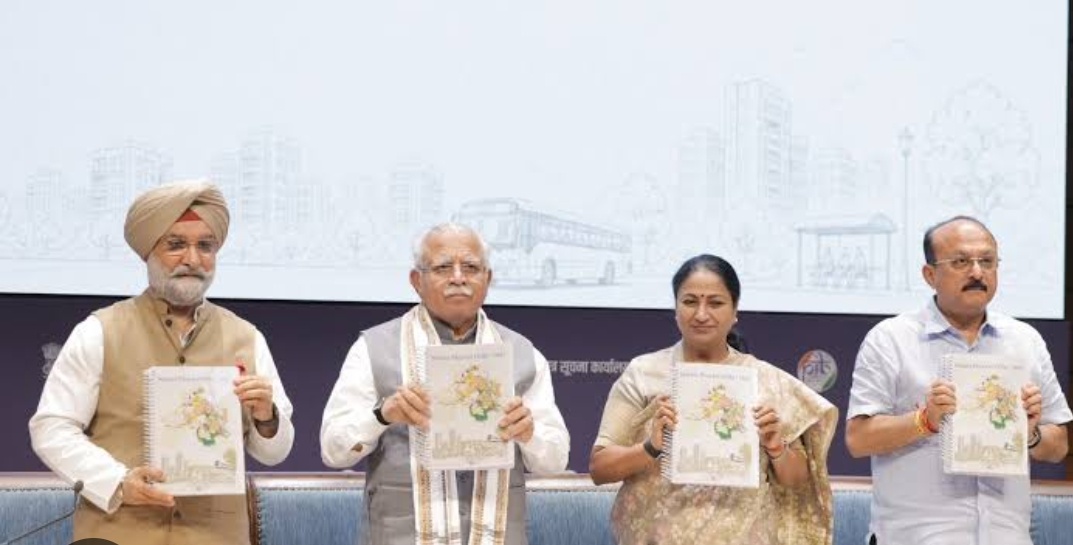
New Delhi, Aug 22: Delhi’s proposed Master Plan 2047 envisages a wider and more decentralised healthcare network, with neighbourhood health centres, hospitals and larger medical facilities planned according to population needs across the city.Under the proposed framework, the city would plan for six health centres and three hospitals for every one lakh population.
At the sub-city level, the plan proposes three hospitals for every five lakh people, along with a de-addiction and rehabilitation centre for the same population base.The proposed norms are indicative and are not approvals for a fixed number of healthcare facilities. Their implementation would depend on factors including local requirements, land availability and planning considerations.
The plan seeks to integrate healthcare facilities with residential areas and public transport, with greater emphasis on primary and community-level healthcare alongside secondary and tertiary care.Neighbourhood-level health centres could include dispensaries, polyclinics, maternity homes, nursing homes, family welfare centres, paediatric and geriatric services and diagnostic facilities.
The common health-centre category is intended to give planners flexibility to develop facilities according to local needs.The plan also proposes facilities for elderly people, persons with disabilities and people with special needs. De-addiction centres, rehabilitation facilities, after-care services, transitional care homes and respite-care facilities are among the provisions envisaged.
At the city level, MPD-2047 provides for medical colleges as well as nursing and paramedical institutes, with their number to be determined according to requirements and applicable regulations. Such campuses could accommodate laboratories, diagnostic and research facilities, rehabilitation centres, hostels and other support infrastructure.Pandemic preparedness is another component of the proposed healthcare framework.
Local sample-collection centres and testing laboratories could be established during future health emergencies. Disaster-management facilities at sub-city and city levels could also support emergency medical services, first aid, shelters and isolation arrangements.
The plan provides additional flexibility for essential facilities in densely populated and unplanned areas, including provisions for reduced plot-area and setback requirements for certain primary healthcare facilities.
MPD-2047 does not specify individual hospitals, construction schedules or bed capacities. Instead, it establishes a long-term framework for developing a tiered healthcare system that ranges from neighbourhood facilities to hospitals, sub-city institutions and specialised medical infrastructure.
