

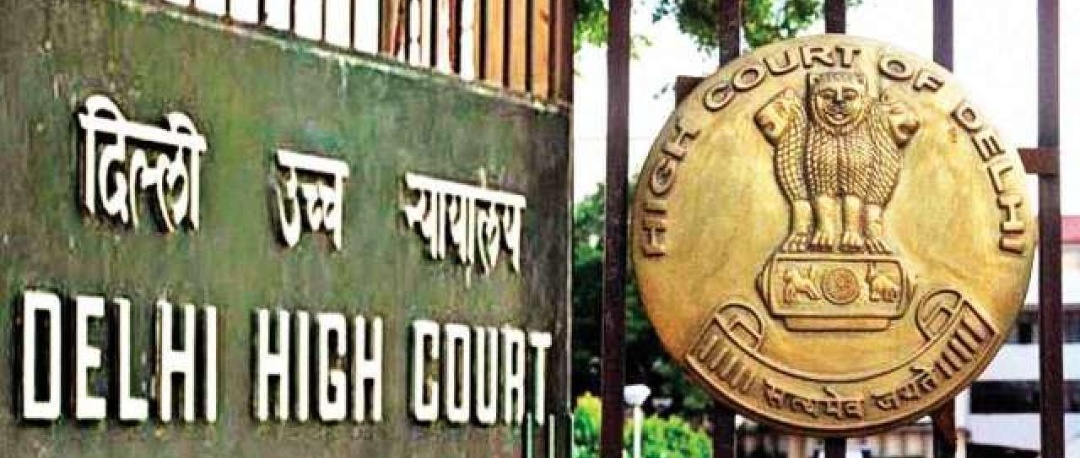
New Delhi, July 29: The Delhi High Court has issued an interim order restraining 30 websites from allegedly hosting or streaming copyrighted films and programmes owned by Home Box Office Inc. (HBO) and its co-plaintiffs without authorisation.
Justice Anup Jairam Bhambhani passed the order on July 27 while hearing a copyright infringement suit filed against several websites, domain name registrars, internet service providers and government authorities.The plaintiffs alleged that the websites were making HBO’s copyrighted audiovisual content available without licences and, in certain instances, were providing access to material before its official release.
After examining the material placed before it, the court observed that the websites appeared, at the preliminary stage, to be primarily engaged in facilitating copyright infringement. It noted that the registrant information of the websites was concealed, traceable contact details were unavailable and much of the content appeared to be unauthorised.
The court said the matter did not appear to involve isolated instances of infringement and held that the websites could be treated as “flagrantly infringing online locations” for the purpose of granting interim protection.
The court also considered concerns regarding websites that reappear under different domain names after an original platform is blocked. Such websites may operate as mirror sites, redirects or altered versions using additional letters or numbers, making enforcement against online piracy more difficult.
At the same time, the court declined to give copyright owners or online intermediaries unrestricted authority to expand the scope of the injunction without oversight.
Domain name registrars and other intermediaries submitted that they had no objection to action against the websites specifically identified in the suit. However, they expressed concern that a broad order covering future websites could require them to block online platforms without a fresh judicial or administrative direction.
The court observed that internet service providers and domain name registrars should not be required to independently determine whether a website should be blocked merely on the request of a private party.To address both concerns, the court laid down a verification mechanism for newly identified websites linked to those already covered by the injunction.
Under the process, the plaintiffs may submit an affidavit and supporting material to the concerned internet service provider or domain name registrar after identifying a suspected mirror, redirect or alphanumeric variant of a blocked website.
The intermediary must then carry out a technical assessment to determine whether the newly identified website is connected to an already restrained platform. If the connection is established, the injunction may be implemented temporarily, subject to further proceedings before the court.
The plaintiffs have also been directed to file an application before the court to formally include such websites in the case.The court said that unsupported or incorrect claims could invite appropriate action.
It also clarified that an internet service provider or domain name registrar may approach the court if it disputes a request for blocking.The order seeks to provide copyright owners with a quicker mechanism to address websites that repeatedly reappear under new identities while preserving judicial oversight and the legal protections available to online intermediaries.
The court directed the plaintiffs to comply with the relevant procedural requirements under the Code of Civil Procedure within 10 days.
The matter has been listed before the Joint Registrar for completion of pleadings on October 28, 2026, while the previously scheduled hearing on July 31 remains unchanged.
