

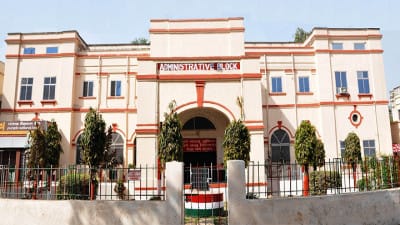
Patna, Sep 4: The 50 additional MBBS seats at Patna Medical College Hospital (PMCH) are facing challenges due to shortages of teaching faculty and basic infrastructure, even as the premier medical institution handles more than 3,000 patients every day, putting further pressure on its already stretched medical staff.
PMCH recently increased its MBBS intake from 150 to 200 seats, adding 50 seats to expand medical education capacity. However, concerns have emerged over whether the institution has adequate faculty, classrooms, library facilities and other infrastructure to effectively accommodate the increased student strength.
The faculty shortage is considered one of the major challenges facing the expanded programme. A shortage of senior doctors and teaching staff could affect not only academic activities but also patient care, particularly in departments handling a large number of critical and referred cases.
More than 3,000 patients visit PMCH’s outpatient and emergency departments every day, according to the information available. A significant proportion of them are critical or referred cases, requiring specialised treatment, specialist consultation and close supervision.
Departments including medicine, surgery, burns, chest and radiology are facing particularly heavy workloads. The increasing patient volume, coupled with the shortage of senior doctors, has created additional pressure on the hospital administration.
Senior doctors and specialists play a crucial role in handling complex cases, supervising emergency treatment and guiding postgraduate doctors. Any shortage in these areas could therefore have implications for both patient care and the clinical training of medical students.
The infrastructure shortage is another concern. With the MBBS intake rising by one-third, PMCH needs adequate classrooms, library facilities and other academic resources to ensure that students receive the required training and educational support.
PMCH Superintendent Dr Rajiv Kumar Singh, however, said the Health Department was taking steps to strengthen facilities at the institution.
“The Health Department is continuously adding new facilities to PMCH,” Singh said.
He said infrastructure development was being accompanied by the provision of equipment.
“Along with the building, equipment has also been made available,” he said.
On the shortage of doctors and teaching faculty, Singh said the deficiencies would be addressed soon.
“Departments facing shortages of faculty and doctors will soon address these deficiencies,” he said.
The expansion of MBBS seats is part of efforts to increase the availability of medical education and trained doctors. However, the shortage of faculty and supporting infrastructure has raised questions over whether the expansion is being matched by adequate resources on the ground.
The daily patient burden also makes the availability of experienced doctors particularly important. With thousands of patients seeking treatment, doctors in high-pressure departments have to balance routine consultations, emergency cases, referrals and supervision of postgraduate trainees.
For PMCH, addressing the faculty gap and strengthening academic infrastructure will therefore be crucial to ensuring that the additional 50 MBBS seats can function effectively without putting further pressure on patient-care services.
Authorities are expected to focus on filling vacant faculty positions and improving classrooms, library facilities and other infrastructure while continuing the expansion of medical facilities at the hospital.
