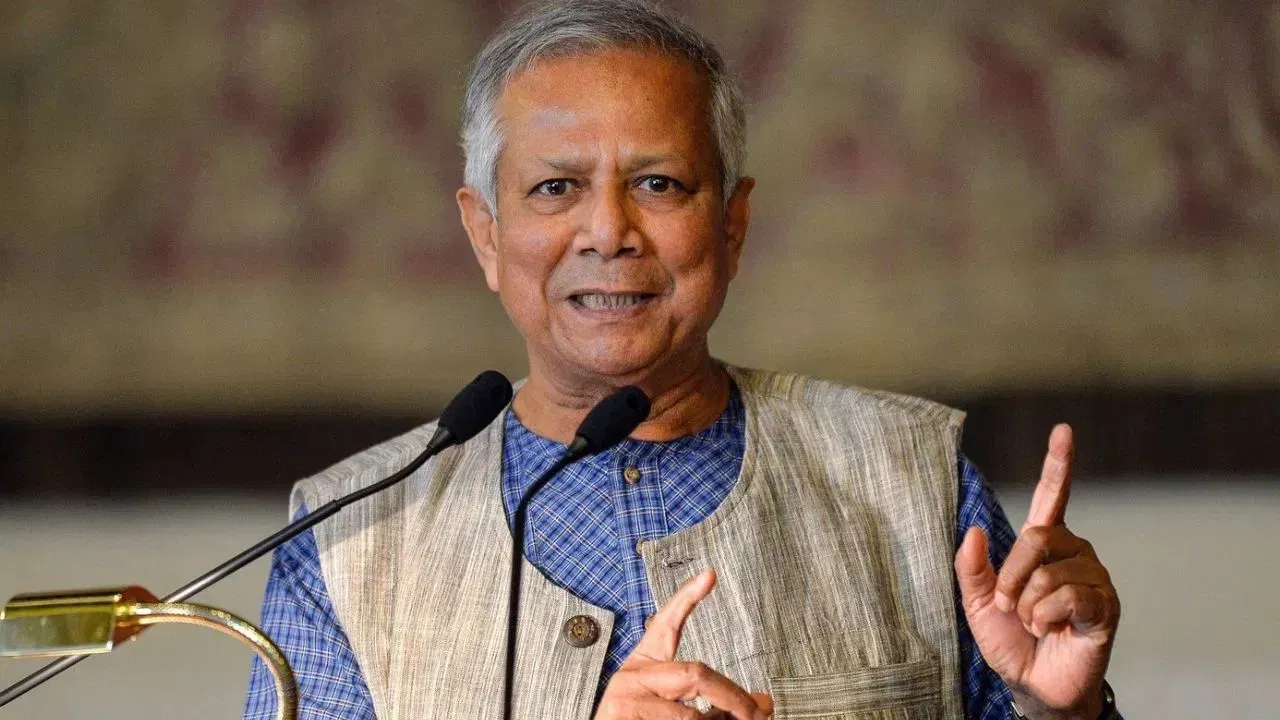
DHAKA, May 28 – Bangladesh’s interim Chief Adviser Muhammad Yunus warned of a “war-like situation” gripping the country following the government’s decision to ban the Awami League, the party of former Prime Minister Sheikh Hasina, as political turmoil deepens ahead of planned elections.
Speaking at a meeting with leaders from 20 political parties at the Jamuna state guest house on Sunday, Yunus said the unrest since the May 12 ban has crippled progress and risked plunging the country into deeper instability.
“A war-like situation emerged both inside and outside the country, preventing us from moving forward, causing everything to collapse, and pushing us back into subservience,” Yunus was quoted as saying by his press secretary, Shafiqul Alam.
Yunus, a Nobel Peace Prize laureate, is heading a transitional administration tasked with restoring democratic order. However, escalating tensions and criticism from political opponents have raised doubts over his ability to conduct free and fair elections.
“If I fail to hold a fair election, I will feel guilty,” Yunus said during the meetings. He also expressed frustration over the deteriorating political environment and, according to sources, has privately discussed stepping down.
Opposition parties including the Bangladesh Nationalist Party (BNP), Jamaat-e-Islami, and the National Citizen Party met Yunus separately on Saturday and reiterated support for the interim government’s mandate to stabilize the country.
In an audio message released Sunday, former Prime Minister Sheikh Hasina launched a scathing attack on Yunus, accusing him of undermining Bangladesh’s sovereignty and acting on behalf of foreign powers. “My father did not agree to America’s demands for St. Martin’s Island. He had to give his life for that,” Hasina said, alleging that Yunus had “sold the nation to the United States” and illegally seized power with the support of militant groups.
Hasina, whose Awami League has dominated Bangladeshi politics for over a decade, condemned the ban on her party as unconstitutional. “We got the constitution of our great Bengali nation through a long struggle and the liberation war. Who gave this militant leader, who has illegally seized power, the right to touch the constitution?” she asked.
She rejected the legitimacy of Yunus’s role, stating that the position of Chief Adviser “does not exist” under the constitution and that any legislative changes without parliament are “illegal.”
The Awami League’s exclusion from political participation has sparked street protests, international concern, and fears of prolonged instability. The interim government says the ban was necessary to prevent further violence, citing alleged links between the party and recent unrest.
With political tensions running high, hopes for a peaceful transition to democratic rule appear increasingly tenuous. Yunus’s administration is under mounting pressure to de-escalate the crisis and pave the way for credible elections amid opposition boycotts and deteriorating public trust.