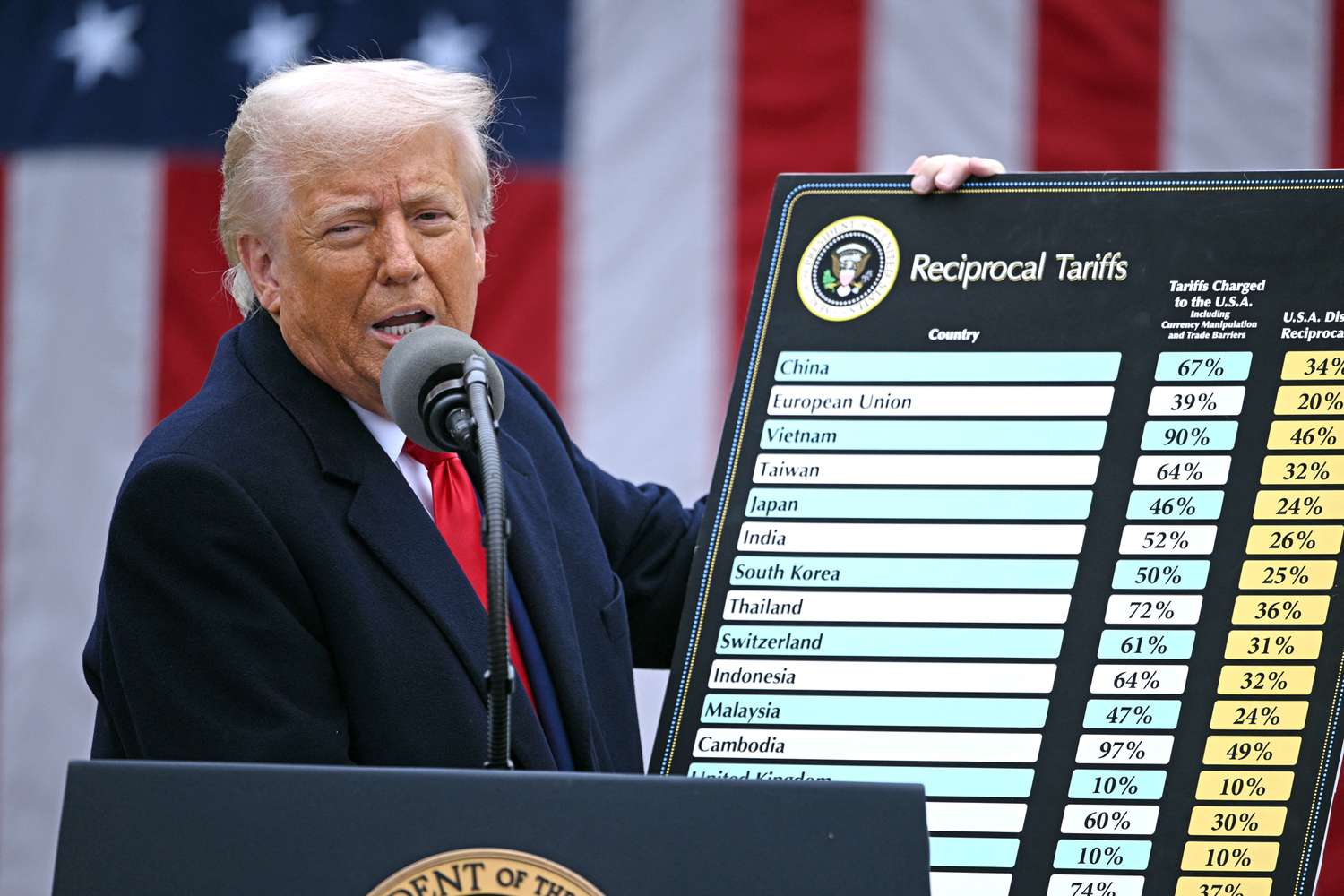
WASHINGTON/NEW DELHI, April 9 – U.S. President Donald Trump said on Tuesday that his administration is preparing to impose a “major” tariff on pharmaceutical imports, a move that could significantly impact India’s drug manufacturing industry, which heavily depends on exports to the United States.
Speaking at an event hosted by the National Republican Congressional Committee, Trump said the tariff aims to encourage pharmaceutical companies to relocate operations to the United States. While pharmaceuticals had previously been spared under the administration’s reciprocal tariff policies, the latest announcement signals a widening of the trade confrontation.
“This is going to be a big one,” Trump said. “We’re going to make sure American drug production stays in America.” India, a key supplier of affordable generic and biosimilar drugs to the U.S., stands to lose the most from the policy shift. According to the Pharmaceuticals Export Promotion Council of India, the U.S. accounted for $8.7 billion – or nearly 31% – of India’s $27.9 billion pharmaceutical exports in the 2023-24 financial year.
Indian drugmakers such as Sun Pharma, Dr Reddy’s, Aurobindo Pharma, Zydus Lifesciences, and Gland Pharma derive between 30% and 50% of their total revenue from the U.S. market, making them particularly vulnerable to the proposed tariff. Industry experts have cautioned that the measure could have adverse effects on both economies.
“Hiking tariffs on pharmaceutical imports will disrupt the U.S. supply chain, push drug prices higher, and may lead to shortages,” analysts at HDFC Securities told local media. “India’s cost advantage in generics is crucial to maintaining affordability in the American healthcare system.”
Analysts also warned that Indian firms, already operating under tight margins in the U.S. generics market, may be forced to pass on higher costs to consumers or insurers in the U.S., potentially fueling inflation in the healthcare sector. The development comes at a time of increasing global trade friction, with India already facing reciprocal duties from the U.S. on several other export categories. Neither the U.S. Trade Representative’s office nor India’s Ministry of Commerce provided an immediate comment on the proposed tariff.