
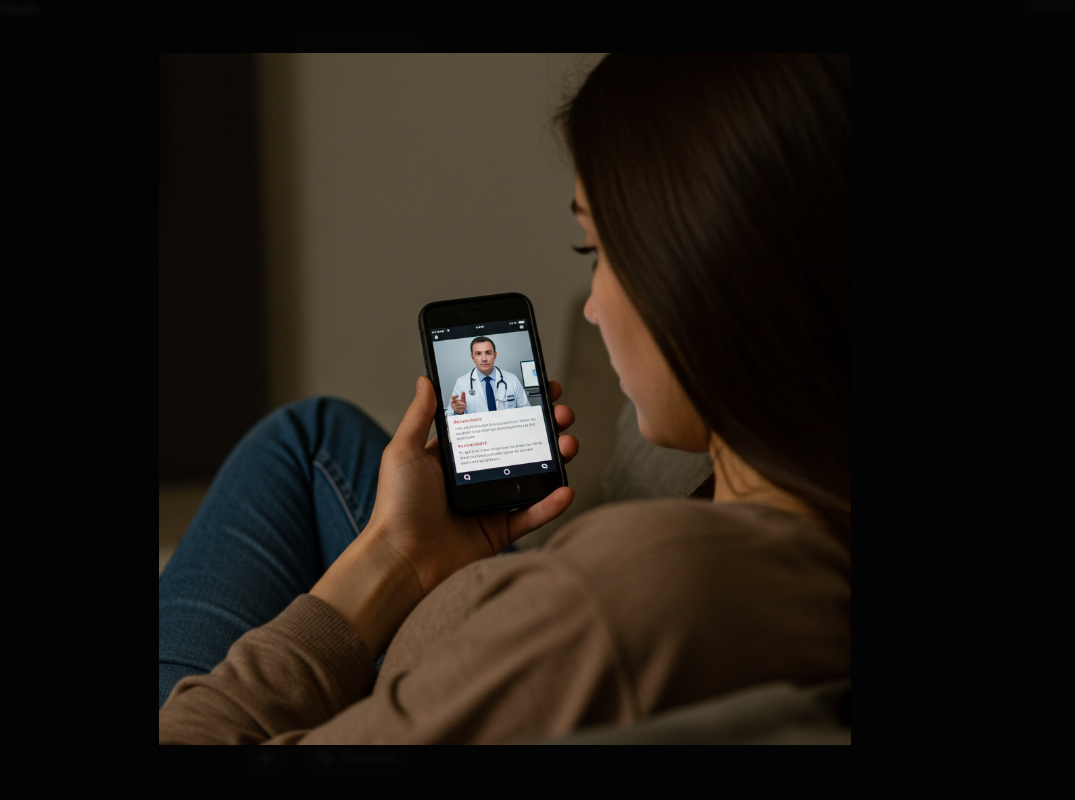
Chennai, India – As digital transactions become commonplace in India, experts are calling for a parallel push toward digital health literacy to help patients navigate an increasingly complex online health ecosystem and guard against misinformation.
From street vendors using QR codes for microtransactions to the widespread adoption of telemedicine, India has made remarkable progress in digital literacy. However, healthcare professionals warn that the same ease of access to information online has led to a proliferation of unreliable and misleading medical advice.
“Patients today rely heavily on digital platforms for medical guidance, but the challenge is distinguishing credible information from misinformation,” said Dr. K. Ganapathy, a former distinguished visiting professor at IIT Kanpur and past president of the Neurological Society of India.
The Misinformation Challenge
According to studies, health-related mobile applications vary significantly in accuracy. While 95% of cancer apps designed for healthcare professionals contained scientifically valid information, only 32% of similar apps for the general public were found to be reliable. Online symptom checkers have also demonstrated poor accuracy, with some reports suggesting a success rate as low as 34%.
Health misinformation is amplified by social media platforms such as Facebook, WhatsApp, and YouTube, where unverified claims can spread rapidly. While social media influencers often engage audiences effectively, their content is not always backed by scientific evidence, leading to widespread misconceptions.
“A forward from a friend or a trending post does not necessarily mean the information is accurate or useful,” Dr. Ganapathy cautioned. “Without proper verification, misinformation can spread exponentially, reinforcing false beliefs.”
Identifying Reliable Health Information
Experts recommend evaluating online health sources carefully. Government (.gov) and academic (.edu) websites, along with peer-reviewed journals, are generally considered reliable. Websites should have secure HTTPS certification, clearly state their sources, and provide updated information from verified medical professionals.
Patients are also urged to be cautious of red flags such as exaggerated claims, “breakthrough” remedies, or unverified “secret” ingredients. Experts advise against trusting anonymous sources and emphasize the need to fact-check information before sharing it on social media.
A Call for Digital Health Awareness
With India’s expanding digital landscape, healthcare professionals stress the need for structured digital health education. Online support groups backed by professional medical associations can provide reliable patient perspectives and complement clinical advice.
“We must invest in digital health literacy to empower patients to make informed choices and prevent the spread of misinformation,” Dr. Ganapathy said.
As India continues its rapid digital transformation, ensuring that its population is equipped with the skills to discern credible medical information from falsehoods will be crucial in shaping the future of healthcare in the country.