

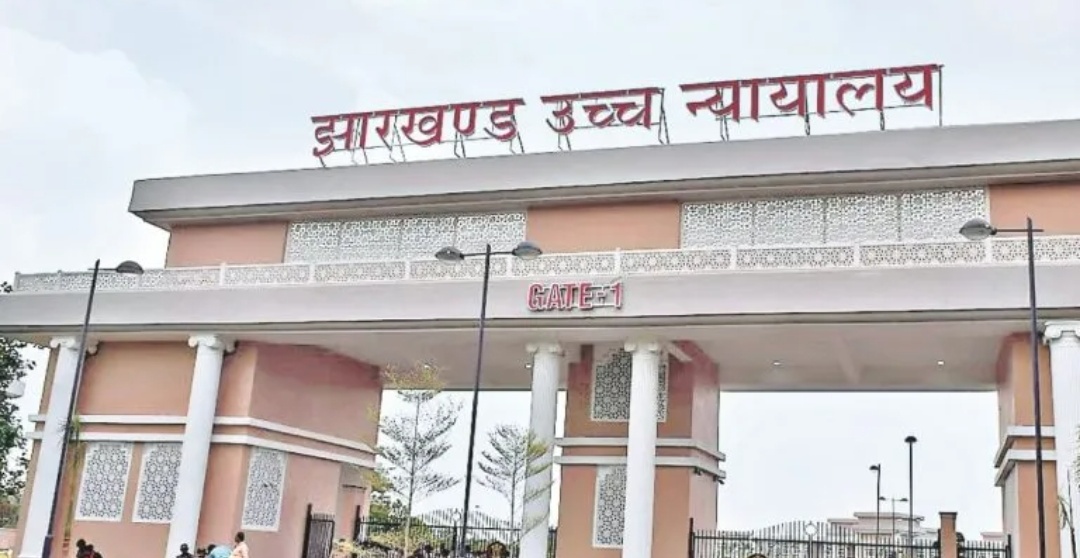
Ranchi, September 8: The Jharkhand High Court has provided major relief to a doctor by cancelling a ₹30 lakh bond imposed on him after he left a postgraduate medical course at Mahatma Gandhi Memorial Medical College (MGM), Jamshedpur.
The court also directed that the doctor be paid ₹7 lakh as compensation for the mental distress he faced during the dispute. The ruling was delivered by Justice Anand Sen.The case concerns Dr Mahesh Kumar, an MBBS graduate of Motilal Nehru Medical College in Prayagraj.
After qualifying for NEET-PG in 2019, he was allotted a seat in the Diploma in Medical Radio Diagnosis (DMRD) programme at MGM Jamshedpur for the 2019-21 session.At the time of admission, Dr Kumar was required to execute a bond under which he would have to pay ₹30 lakh if he discontinued the course.
He was also required to refund the stipend received during his enrolment.The doctor later raised concerns about the academic and medical infrastructure available for the programme.
According to the case, the radiology department lacked adequate faculty, while the course itself did not have the required recognition from the medical regulatory authority at the relevant time.The court also took note of deficiencies in diagnostic infrastructure, including the absence of an MRI facility and the non-functional condition of a CT scan machine.
Dr Kumar subsequently appeared for other postgraduate entrance examinations and secured a high rank in NEET-PG 2021. He later joined Sanjay Gandhi Postgraduate Institute of Medical Sciences in Lucknow.While examining the matter, the High Court questioned how students had been admitted to a postgraduate course when its recognition and required facilities were in question.
The court held that the financial bond could not be sustained when the admission itself was linked to such deficiencies.
The court further questioned the role of the medical regulatory authority, observing that regulators have a responsibility to ensure that medical institutions maintain appropriate standards and that students are not admitted to programmes lacking essential recognition or infrastructure.
The ruling provides relief to the doctor from the financial demand and also directs the return of amounts sought from him, along with compensation for mental distress.
The judgment has also highlighted the need for stronger regulatory checks before medical colleges admit students to specialised postgraduate programmes.
