

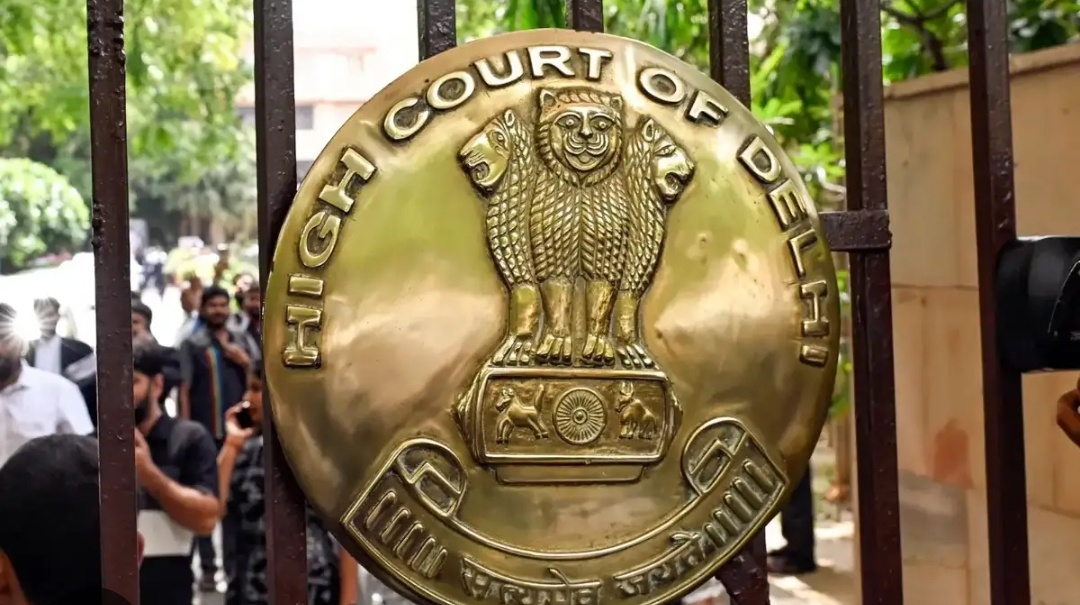
New Delhi, Aug 20: The Delhi High Court has sought the city government’s response on the requirement for women applicants under the Lakshmi Yojana to obtain an endorsement from their local MP or MLA before their applications can be processed.A bench comprising Chief Justice D K Upadhyaya and Justice Tejas Karia raised questions over the necessity of the endorsement while hearing a Public Interest Litigation challenging the condition.
The petition was filed by former Congress municipal councillors Abhishek Dutt and Vedpal Chaudhary, who have sought removal of the requirement, arguing that it gives elected representatives excessive discretion over access to a welfare benefit.The Lakshmi Yojana, launched on August 1, provides eligible women with financial assistance of Rs 2,500 per month through direct benefit transfer.
Applicants, however, must meet several eligibility conditions, including the prescribed residency requirement in Delhi and other criteria relating to family and household status. The petitioners have objected specifically to the requirement of obtaining a recommendation letter from an MP or MLA.
During the hearing, the court questioned whether an applicant who is unable to secure such an endorsement would be prevented from progressing with her application.The bench observed that eligibility could be assessed through appropriate documentary evidence and questioned the need for applicants to approach political representatives for verification.
The court said it was prima facie of the view that a woman’s eligibility could be established through relevant documents and that obtaining an MP or MLA endorsement may not necessarily be part of determining whether she fulfils the scheme’s eligibility criteria.The government has been directed to seek instructions on the issue and respond before the next hearing, scheduled for August 24.The petitioners have also highlighted practical difficulties faced by women living in informal settlements and marginalised colonies.
They argued that travelling to elected representatives’ offices could involve additional expenditure, time and logistical challenges, particularly for women with household or livelihood responsibilities.They further claimed that the scheme does not clearly specify a standard procedure for obtaining the endorsement, including what an applicant can do if a representative does not issue the recommendation.
The case could determine whether the endorsement condition can continue as part of the application process or whether eligibility for the welfare scheme should instead be assessed through a transparent documentary verification system.
