

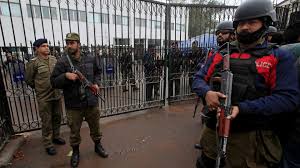
Islamabad, 18 Feb : Allegations of widespread extrajudicial killings by Punjab’s Crime Control Department (CCD) have intensified debate over policing and due process in Pakistan’s largest province.
A report by the Human Rights Commission of Pakistan (HRCP) documents at least 670 police “encounters” between April and December 2025, resulting in 924 suspected deaths. The commission accuses the CCD of pursuing “a systemic policy of extrajudicial killing in contravention of the law and Constitution.”
The CCD was formed in April 2025 under the “Safe Punjab” initiative led by Chief Minister Maryam Nawaz Sharif to combat organised crime. Authorities say intelligence-led operations have reduced property crime by over 60 percent and reject allegations of unlawful killings, citing lack of evidence.
However, the HRCP flagged repeated patterns in police reports, including similar language across districts describing suspects opening fire first and being killed in self-defence. Families allege they were pressured to bury bodies quickly, sometimes without independent postmortems, and say requests for official data went unanswered.
The controversy includes the case of Zubaida Bibi, who alleges five family members were killed in separate encounters within 24 hours after a police raid. Her family denies any criminal involvement.
Legal experts warn that crime reduction cannot justify bypassing judicial process, stressing that guilt must be determined through courts. HRCP data shows nearly 5,000 encounter cases nationwide over the past decade, with Punjab accounting for almost 2,000. While encounter numbers fluctuated in earlier years, 2024 recorded 1,008 incidents, and recent months show a higher fatality rate.
A former senior police official cited court delays, weak prosecutions and political pressure as factors behind the rise in encounters. The debate now centres on whether Punjab’s crime control strategy prioritises constitutional due process or expedient use of lethal force.
