

New Delhi, Dec 24: A recent near-miss involving an exhausted pilot at Mumbai airport has underscored growing concerns over pilot fatigue and reinforced the importance of India’s new air safety and rest regulations, aviation experts say.
The incident occurred after a flight arriving from Abu Dhabi, when the aircraft briefly began turning in the wrong direction while taxiing off the runway. The error was detected immediately by the co-pilot, and the aircraft was safely corrected before any damage occurred.
Although no passengers were harmed, the episode has become a stark example of how fatigue can impair judgement, even among experienced flight crew. The pilot involved later left the airline, citing the need for a healthier work-life balance, according to people familiar with the matter.
Aviation specialists say such incidents are symptomatic of a wider structural problem in India’s fast-growing aviation sector, where airlines have for years lobbied to reduce mandated rest periods and increase pilot utilisation to meet rising demand.
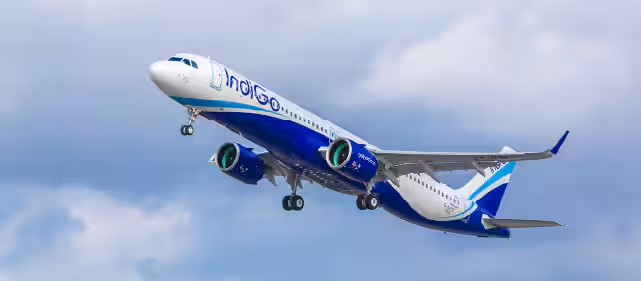
The issue has gained renewed attention following a major operational disruption at IndiGo, India’s largest airline, which was recently forced to cancel thousands of flights after failing to comply with newly enforced rules governing pilot duty hours, night landings, and mandatory rest periods.
Regulators say the rules are designed to reduce fatigue-related human error, a known risk factor in aviation safety worldwide. Industry experts stress that limits on consecutive night operations, weekly off-days, and strict duty time caps are not employee benefits but essential safeguards to prevent accidents.
The IndiGo episode, analysts note, has served as a wake-up call for airlines, highlighting that compliance with safety regulations is not optional and that operational pressures cannot override flight safety.
As India’s aviation market continues to expand rapidly, regulators and safety experts argue that enforcing rest and duty norms will be critical to maintaining safety standards and public confidence in air travel.
