

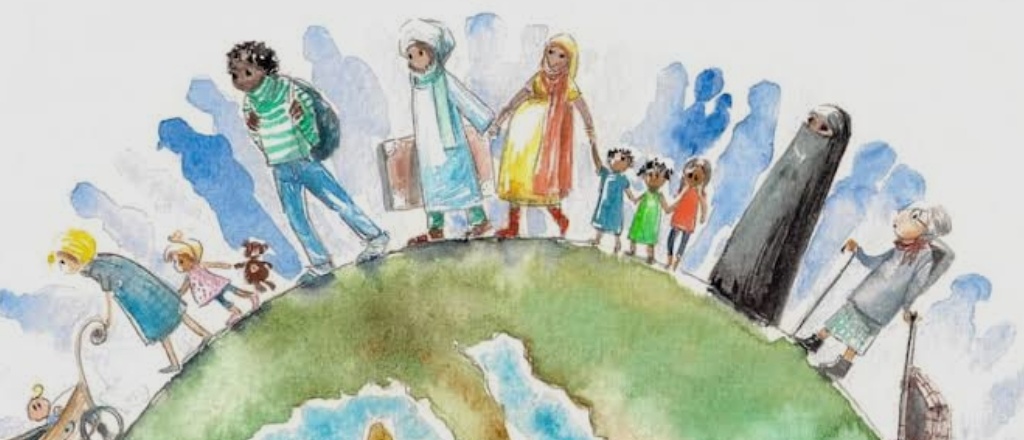
Geneva, Mar 26: With more than one billion people—roughly one in eight globally—on the move, the health of refugees and migrants is fast becoming a critical global concern, according to recent international assessments.
An estimated 304 million people were living outside their country of origin in 2024, nearly double the figure recorded in 1990. This includes around 170 million migrant workers and millions of students pursuing education abroad.
At the same time, forced displacement has surged sharply, with approximately 117 million people uprooted due to conflict, violence, disasters, and other crises.Among the forcibly displaced are over 36 million refugees, 8 million asylum seekers, and tens of millions of internally displaced persons (IDPs).
Alarmingly, nearly 49 million of those affected are children, with millions born into conditions of displacement.Experts note that migration and displacement trends are expected to rise further, driven by poverty, insecurity, environmental degradation, and climate-related disasters.
This has intensified calls for countries to strengthen health systems to meet the evolving needs of mobile populations.
Despite their contributions to economies—such as through remittances—refugees and migrants often face poorer health outcomes compared to host populations.
Barriers such as language differences, cultural gaps, discrimination, and restrictive policies frequently limit their access to healthcare services.
Health risks for displaced populations are often linked not to migration itself but to the harsh conditions experienced during journeys and in temporary settlements.
Limited access to clean water, sanitation, nutrition, and shelter increases vulnerability to infectious diseases, injuries, and other health complications.
Mental health challenges are also widespread, with many individuals experiencing anxiety, depression, and post-traumatic stress due to exposure to conflict, violence, and prolonged uncertainty.
Women, children, and persons with disabilities remain particularly vulnerable. Many face heightened risks of exploitation, abuse, and limited access to essential services, including protection and healthcare.
International agencies emphasize that equitable access to healthcare is a fundamental human right and aligns with global development goals, including ensuring healthy lives and well-being for all.
However, gaps in data collection and inconsistent definitions of migrants continue to hinder effective policy responses. A significant portion of migrants, particularly those in informal or irregular situations, remain excluded from official statistics and national health programs.
As global mobility continues to increase, experts underline the urgent need for inclusive, people-centered health systems that address both immediate and long-term needs of refugees and migrants, while also strengthening resilience in host communities.
