

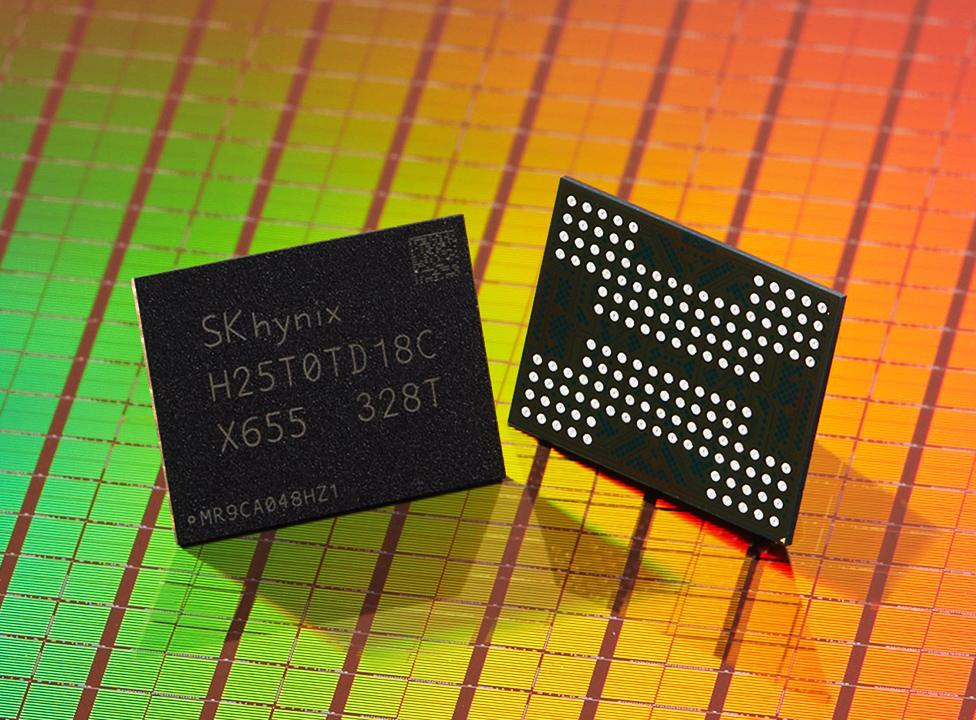
December 3: A deepening global shortage of memory chips is forcing artificial intelligence developers, smartphone makers and consumer-electronics companies into fierce competition for supply, as surging demand from the AI boom squeezes availability and drives prices sharply higher.
Retailers in Japan have begun rationing hard-disk and solid-state drives, while Chinese smartphone brands warned that device prices may rise in the coming months. Tech majors including Microsoft, Google and ByteDance are racing to secure long-term commitments from memory-chip suppliers Micron, Samsung Electronics and SK Hynix, according to people familiar with the discussions.
The crunch spans almost all categories of memory — from flash storage used in laptops and phones to high-bandwidth memory (HBM), a critical component in Nvidia’s AI processors. Prices in several market segments have more than doubled since February, data from research firm TrendForce shows.
Analysts warn the shortage is now a macroeconomic risk. “The memory shortage has graduated from a component-level concern to a macroeconomic risk,” said Sanchit Vir Gogia, CEO at Greyhound Research. He said demand from AI data-centre construction “is colliding with a supply chain that cannot meet its physical requirements.”
Interviews with nearly 40 executives and suppliers reveal how the industry’s shift toward advanced AI-oriented chips has tightened supplies of conventional DRAM and flash memory used in smartphones, PCs and data centres. DRAM inventories at suppliers fell to two to four weeks in October from up to 17 weeks a year earlier, TrendForce said.
The supply squeeze is unfolding as investors question whether the unprecedented investment in AI infrastructure has created a bubble. Some analysts expect only the largest companies to withstand the rising costs as supply remains constrained.
Chipmakers have been reluctant to rapidly expand production capacity, wary that the current boom could fade. New plants take at least two years to build, and memory producers fear overcapacity if demand slows. SK Hynix has told analysts the shortage may persist through late 2027.
Samsung and SK Hynix, which dominate the DRAM market, have announced capacity expansions but offered little clarity on how much will go to high-margin HBM versus legacy products. OpenAI has signed preliminary supply deals with both firms for its planned “Stargate” AI infrastructure project, which could require up to 900,000 wafers per month by 2029 — roughly double today’s global HBM output.
Global tech firms are seeking open-ended orders. Google, Amazon, Microsoft and Meta have told Micron they will take as much supply as the company can provide, regardless of price, according to two people briefed on the talks. Chinese companies Alibaba, Tencent and ByteDance have also dispatched executives to South Korea to lobby for allocation.
“Everyone is begging for supply,” one industry source said.
Memory-chip prices are rising rapidly across Asia. In Tokyo’s Akihabara electronics district, retailers have capped purchases as certain products sell out. Prices for popular 32-GB DDR5 modules have surged from around 17,000 yen in October to more than 47,000 yen, while 128-GB kits have more than doubled.
The smartphone market is also feeling the pressure. Xiaomi and Realme have warned they may be forced to raise handset prices, with Realme estimating memory-driven cost increases of 20% to 30% by mid-2026. Laptop maker ASUS said it may adjust pricing based on supply conditions.
Supply shortages are driving buyers into secondhand markets, benefiting resellers in China, Japan and the United States. Several traders said prices are now so volatile that quotes expire daily — or even hourly.
Despite the strain, shares of Samsung, SK Hynix and Micron have rallied this year on expectations that high demand will lift earnings. Analysts at Counterpoint Research expect memory prices to rise 30% in the fourth quarter and potentially another 20% in early 2026.
With new conventional-memory factories unlikely to come online before 2027, industry executives expect the supply imbalance to persist. “If we fail to supply them, they could face a situation where they can’t do business at all,” SK Group chairman Chey Tae-won said at a recent industry forum.
