London, July 5: Drought is driving tens of millions of people to the brink of starvation worldwide, with worsening water shortages threatening food, energy and health systems as the climate crisis escalates, according to a new report released on Wednesday.
The study, jointly published by the U.S. National Drought Mitigation Center (NMDC), the UN Convention to Combat Desertification (UNCCD), and the International Drought Resilience Alliance, warns of a slow-moving global catastrophe that is deepening across Africa, Latin America, southeast Asia and the Mediterranean.
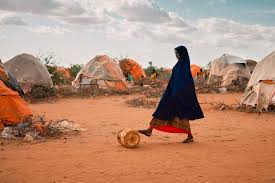
In eastern and southern Africa, more than 90 million people face extreme hunger following record-breaking droughts, widespread crop failures, and livestock deaths. In Somalia, a quarter of the population is nearing starvation, with over 1 million people displaced.
“This is not a dry spell. This is a slow-moving global catastrophe—the worst I’ve ever seen,” said Mark Svoboda, founding director of the NMDC and co-author of the report.
The report details the global economic and human toll of prolonged droughts. In Zimbabwe, corn production fell by 70% last year, and 9,000 cattle died. The Panama Canal experienced drastically reduced shipping traffic after water levels dropped, cutting trade by more than a third between October 2023 and January 2024.
In the Mediterranean, Morocco has seen six consecutive years of drought, leading to a 57% water deficit. Spain’s olive oil production fell by 50%, doubling prices, while in Turkey, 88% of land is at risk of desertification and overdrawn aquifers have caused sinkholes to appear.
“These are the canaries in the coal mine,” Svoboda said. “The struggles of Spain, Morocco and Turkey show what even wealthy nations may face if global warming continues unchecked. ”The report links the intensifying droughts to climate change, poor water management, and El Niño weather patterns over the last two years. In 2023–2024, these factors triggered global water shortages, food insecurity, and power rationing.
Beyond regional impacts, drought has also disrupted global supply chains. In 2023, dry conditions in India and Thailand reduced sugar production, leading to a 9% increase in sugar prices in the United States.
Ibrahim Thiaw, executive secretary of the UNCCD, called drought “a silent killer” that is escalating rapidly. “When energy, food and water all go at once, societies start to unravel. That’s the new normal we need to be ready for,” he said.
According to the report, demand for freshwater will exceed supply by 40% by 2030, and over half of global food production will be at risk within 25 years. The OECD has estimated that the cost of an average drought will rise by 35% by 2035, and separate studies have warned of unprecedented glacier ice loss threatening the water supplies of up to 2 billion people.
Despite signing the global treaty to combat desertification in 1992, governments have paid too little attention to the creeping impacts of drought, the report concludes, urging immediate global cooperation and long-term resilience planning.