

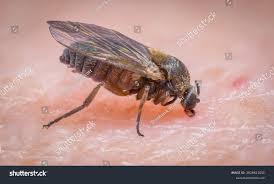
New Delhi, Jan 21: Indian zoologists have identified 13 species of bloodsucking flies in the Andaman and Nicobar Islands, marking the first record of these species in the country. The discovery highlights the ecological significance of the archipelago as a hub of biological diversity.
The finding has raised alarms among animal health experts, as five of the newly reported species are known carriers of the Blue Tongue Disease virus. This virus can be fatal to livestock, leading to severe economic losses for the animal husbandry sector.
“The presence of these flies in the Andaman and Nicobar Islands reinforces the critical need to monitor and conserve the region’s unique biodiversity while also taking measures to mitigate potential threats to livestock,” said scientists involved in the study.
Blue Tongue Disease primarily affects sheep, goats, and other livestock, causing symptoms ranging from fever to swollen tongues, which can lead to fatalities. The discovery calls for heightened vigilance and further research to understand the extent of the risk these flies may pose to the livestock industry in India.
The Andaman and Nicobar Islands, known for their ecological richness, continue to serve as a valuable storehouse of unique and diverse species, making the conservation of this region a national priority.